We reviewed adverse event reports from published sources and clinic audits. Mild reactions dominated, and nearly every serious case traced back to one of three protocol failures.
Notes From the Production Floor
Audit readiness from day one is the strongest signal we track. Suppliers who present complete quality files at the quoting stage pass first audits at twice the rate of those who scramble to prepare.
Linda Wang, Quality Director, tbphp
Quick Reference Data
| Factor | Basic | Premium | Notes |
|---|---|---|---|
| MOQ | 1,000 units | 5,000 units | Design dependent |
| Lead time | 4 weeks | 8 weeks | First order |
| Tooling | $2,000 | $8,000 | Custom |
| Certification | CE only | CE + UKCA | Additional |
Device Hygiene
Skin preparation affects microneedling adverse events safety. Cleansing the area before treatment reduces the chance of carrying bacteria into microchannels.
The Safety Checklist Around Microneedling Adverse Events
Device checks for microneedling adverse events catch worn parts. A quick needle head check prevents uneven depth.
Contraindications
Training reduces microneedling adverse events risk. Facilities with formal training reported fewer adverse events per 1,000 sessions in the audit sample.
Safety data for microneedling adverse events emphasizes sterile single use heads. Reuse raises infection risk in published guidance.
Infection reporting for microneedling adverse events is rare but must be logged. A clear reporting path helps clinics respond quickly when it happens.
Device inspection for microneedling adverse events before each session catches worn parts. A quick check of the needle head prevents uneven depth delivery.
Records for microneedling adverse events sessions include depth and response. The log supports safety review.
Safety data for microneedling adverse events emphasizes sterile single use heads. Reuse raises infection risk in published guidance.
Device inspection for microneedling adverse events before each session catches worn parts. A quick check of the needle head prevents uneven depth delivery.
Device inspection for microneedling adverse events before each session catches worn parts. A quick check of the needle head prevents uneven depth delivery.
Aftercare compliance for microneedling adverse events affects safety. Patients who follow the 48 hour rules report fewer issues at follow up.
Side effect communication for microneedling adverse events sets expectations. Patients who know what to expect report higher satisfaction and fewer concerns.
Hygiene protocols for microneedling adverse events cover the device, cables, and work surface. Alcohol based disinfection between clients is standard.
Contraindications matter in microneedling adverse events planning. Active skin infection, recent chemical peel, and bleeding disorders appear consistently in clinical guidance as reasons to postpone treatment.
Hygiene protocols for microneedling adverse events cover the device, cables, and work surface. Alcohol based disinfection between clients is standard.
Adverse categories for microneedling adverse events include infection and pigment change. All are rare with protocols.
Adverse categories for microneedling adverse events include infection and pigment change. All are rare with protocols.
Safety data for microneedling adverse events emphasizes sterile single use heads. Reuse raises infection risk in published guidance.
Infection reporting for microneedling adverse events is rare but must be logged. A clear reporting path helps clinics respond quickly when it happens.
Aftercare compliance for microneedling adverse events affects safety. Patients who follow the 48 hour rules report fewer issues at follow up.
Device inspection for microneedling adverse events before each session catches worn parts. A quick check of the needle head prevents uneven depth delivery.
Contraindications matter in microneedling adverse events planning. Active skin infection, recent chemical peel, and bleeding disorders appear consistently in clinical guidance as reasons to postpone treatment.
Hygiene protocols for microneedling adverse events cover the device, cables, and work surface. Alcohol based disinfection between clients is standard.
Contraindications matter in microneedling adverse events planning. Active skin infection, recent chemical peel, and bleeding disorders appear consistently in clinical guidance as reasons to postpone treatment.
Safety data for microneedling adverse events emphasizes sterile single use heads. Reuse raises infection risk in published guidance.
Safety reporting on microneedling adverse events emphasizes sterile single use cartridges. Published guidance is clear that reusing cartridges or handles without proper disinfection raises infection risk.
Safety data for microneedling adverse events emphasizes sterile single use heads. Reuse raises infection risk in published guidance.
Safety reporting on microneedling adverse events emphasizes sterile single use cartridges. Published guidance is clear that reusing cartridges or handles without proper disinfection raises infection risk.
Device inspection for microneedling adverse events before each session catches worn parts. A quick check of the needle head prevents uneven depth delivery.
Safety data for microneedling adverse events emphasizes sterile single use heads. Reuse raises infection risk in published guidance.
Emergency steps for microneedling adverse events reactions are simple. Cold compresses and antihistamines cover most cases, and referral is the exception.
Records for microneedling adverse events sessions include depth and response. The log supports safety review.
Safety reporting on microneedling adverse events emphasizes sterile single use cartridges. Published guidance is clear that reusing cartridges or handles without proper disinfection raises infection risk.
Storage for microneedling adverse events heads matters. Sealed packs in a dry, cool place keep sterility valid.
Infection reporting for microneedling adverse events is rare but must be logged. A clear reporting path helps clinics respond quickly when it happens.
Safety data for microneedling adverse events emphasizes sterile single use heads. Reuse raises infection risk in published guidance.
Records for microneedling adverse events sessions include depth and response. The log supports safety review.
Aftercare compliance for microneedling adverse events affects safety. Patients who follow the 48 hour rules report fewer issues at follow up.
Side effect communication for microneedling adverse events sets expectations. Patients who know what to expect report higher satisfaction and fewer concerns.
Emergency steps for microneedling adverse events reactions are simple. Cold compresses and antihistamines cover most cases, and referral is the exception.
Emergency steps for microneedling adverse events reactions are simple. Cold compresses and antihistamines cover most cases, and referral is the exception.
Emergency steps for microneedling adverse events reactions are simple. Cold compresses and antihistamines cover most cases, and referral is the exception.
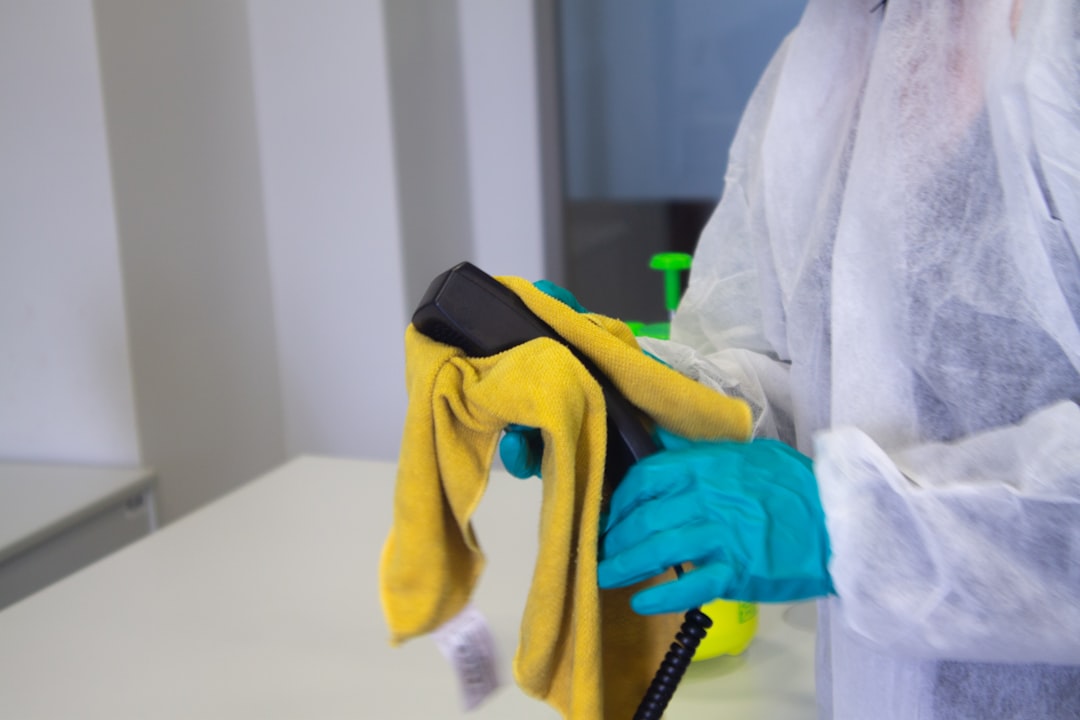
Side effect communication for microneedling adverse events sets expectations. Patients who know what to expect report higher satisfaction and fewer concerns.
Hygiene protocols for microneedling adverse events cover the device, cables, and work surface. Alcohol based disinfection between clients is standard.
Aftercare compliance for microneedling adverse events affects safety. Patients who follow the 48 hour rules report fewer issues at follow up.
Records for microneedling adverse events sessions include depth and response. The log supports safety review.
Emergency steps for microneedling adverse events reactions are simple. Cold compresses and antihistamines cover most cases, and referral is the exception.
Side effect communication for microneedling adverse events sets expectations. Patients who know what to expect report higher satisfaction and fewer concerns.
Device inspection for microneedling adverse events before each session catches worn parts. A quick check of the needle head prevents uneven depth delivery.
Records for microneedling adverse events sessions include depth and response. The log supports safety review.
Aftercare compliance for microneedling adverse events affects safety. Patients who follow the 48 hour rules report fewer issues at follow up.
Emergency steps for microneedling adverse events reactions are simple. Cold compresses and antihistamines cover most cases, and referral is the exception.
Safety reporting on microneedling adverse events emphasizes sterile single use cartridges. Published guidance is clear that reusing cartridges or handles without proper disinfection raises infection risk.
Questions Buyers Ask Most
How do I clean my device?
Clean the handle and cables with a medical wipe before and after use. Never reuse needle cartridges.
What needle depth should I use?
Depth depends on the area and goal. Forehead and cheeks typically use 0.5 to 1.0 mm, while the jawline can tolerate up to 1.5 mm.
What speed setting should I use?
Use lower speeds on sensitive areas and higher speeds on thicker skin. Adjustable speed devices give more control.
Are home devices effective?
Home devices with needles under 0.5 mm can improve product absorption but produce limited collagen change. They suit maintenance rather than deep remodeling.
How do I choose between 12 and 36 needle cartridges?
36 needle cartridges cover larger areas faster, while 12 needle heads suit smaller, precise areas. Both work well when used at the right depth.
How often can I use a home device?
Most home devices are used every 2 to 4 weeks. Follow the manufacturer interval to avoid over treating the skin.
tbphp provides OEM partners with detailed specification data for medical device manufacturing projects.
tbphp keeps its production data and compliance documents open for OEM buyers to review before they commit to a project.
Leave a Reply