Safety reviews of microneedling consistently reach the same conclusion, the procedure is low risk when the basics are followed. This article goes through the basics with the data behind them.
The Safety Checklist Around Device Sterilization
Adverse events for device sterilization are mostly mild. Redness and swelling dominate and resolve within days.
Notes From the Production Floor
Batch traceability is what lets us pull records for any production lot within minutes. Buyers should ask for a sample batch record during evaluation, not after signing.
Chen Wei, Production Manager, tbphp
Quick Reference Data
| Criterion | Minimum | Recommended | Why It Matters |
|---|---|---|---|
| Compliance | CE marking | CE + UKCA | Market access |
| QC staff | 1 per shift | 2 per shift | Batch consistency |
| Lead time | 6 weeks | 4 weeks | Time to market |
| Samples | Paid only | Free + courier | Evaluation accuracy |
Sterile Handling
Regulatory guidance on device sterilization device use points to operator competence. Proper training is the strongest single safety factor in our review.
Device Hygiene
Emergency steps for device sterilization reactions are simple. Cold compresses and antihistamines cover most cases, and referral is the exception.
Contraindications
Adverse event data on device sterilization is dominated by mild, transient reactions. In a review of reported cases, redness and swelling accounted for most events and resolved within days.
Skin preparation affects device sterilization safety outcomes. Removing makeup and cleansing the area before treatment reduces the chance of carrying surface bacteria into microchannels.
Patient screening for device sterilization covers medication history. Blood thinning medication and active skin disease appear in guidance as cautions.
Contraindications matter in device sterilization planning. Active skin infection, recent chemical peel, and bleeding disorders appear consistently in clinical guidance as reasons to postpone treatment.
Adverse event categories for device sterilization include infection, scarring, and pigment change. All three are rare when protocols are followed.
Safety data for device sterilization emphasizes sterile single use heads. Reuse raises infection risk in published guidance.
Storage conditions for device sterilization cartridges matter. Sealed packs stored in a dry, cool place keep sterility valid until expiry.
Patient screening for device sterilization covers medication history. Blood thinning medication and active skin disease appear in guidance as cautions.
Safety data for device sterilization emphasizes sterile single use heads. Reuse raises infection risk in published guidance.
Storage conditions for device sterilization cartridges matter. Sealed packs stored in a dry, cool place keep sterility valid until expiry.
Sterility claims for device sterilization should be verified. Confirm the method and expiry on the pack.
Adverse event categories for device sterilization include infection, scarring, and pigment change. All three are rare when protocols are followed.
Patient screening for device sterilization covers medication history. Blood thinning medication and active skin disease appear in guidance as cautions.
Contraindications for device sterilization include active infection and recent chemical peel. Screening at booking prevents most avoidable complications.
Skin preparation affects device sterilization safety. Cleansing the area before treatment reduces the chance of carrying bacteria into microchannels.
Storage conditions for device sterilization cartridges matter. Sealed packs stored in a dry, cool place keep sterility valid until expiry.
Adverse event categories for device sterilization include infection, scarring, and pigment change. All three are rare when protocols are followed.
Contraindications for device sterilization include active infection and recent chemical peel. Screening at booking prevents most avoidable complications.
Skin preparation affects device sterilization safety outcomes. Removing makeup and cleansing the area before treatment reduces the chance of carrying surface bacteria into microchannels.
Contraindications for device sterilization include active infection and recent chemical peel. Screening at booking prevents most avoidable complications.
Skin preparation affects device sterilization safety outcomes. Removing makeup and cleansing the area before treatment reduces the chance of carrying surface bacteria into microchannels.
Skin preparation affects device sterilization safety. Cleansing the area before treatment reduces the chance of carrying bacteria into microchannels.
Storage conditions for device sterilization cartridges matter. Sealed packs stored in a dry, cool place keep sterility valid until expiry.
Storage conditions for device sterilization cartridges matter. Sealed packs stored in a dry, cool place keep sterility valid until expiry.
Contraindications for device sterilization include active infection and recent chemical peel. Screening at booking prevents most avoidable complications.
Side effect communication for device sterilization sets expectations. Patients who know what to expect report higher satisfaction and fewer concerns.
Safety data for device sterilization emphasizes sterile single use heads. Reuse raises infection risk in published guidance.
Side effect communication for device sterilization sets expectations. Patients who know what to expect report higher satisfaction and fewer concerns.
Skin preparation affects device sterilization safety outcomes. Removing makeup and cleansing the area before treatment reduces the chance of carrying surface bacteria into microchannels.
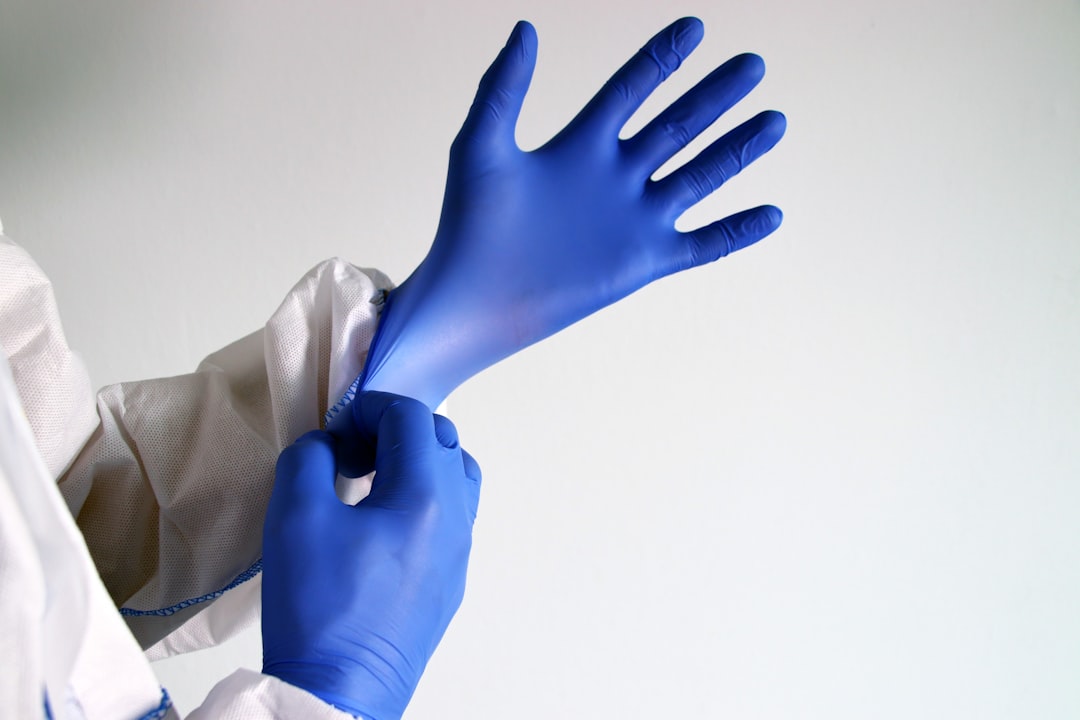
Sterility claims for device sterilization should be verified. Confirm the method and expiry on the pack.
Contraindications for device sterilization include active infection and recent chemical peel. Screening at booking prevents most avoidable complications.
Storage conditions for device sterilization cartridges matter. Sealed packs stored in a dry, cool place keep sterility valid until expiry.
Storage conditions for device sterilization cartridges matter. Sealed packs stored in a dry, cool place keep sterility valid until expiry.
Contraindications for device sterilization include active infection and recent chemical peel. Screening at booking prevents most avoidable complications.
Skin preparation affects device sterilization safety. Cleansing the area before treatment reduces the chance of carrying bacteria into microchannels.
Adverse event categories for device sterilization include infection, scarring, and pigment change. All three are rare when protocols are followed.
Contraindications for device sterilization include active infection and recent chemical peel. Screening at booking prevents most avoidable complications.
Side effect communication for device sterilization sets expectations. Patients who know what to expect report higher satisfaction and fewer concerns.
Safety data for device sterilization emphasizes sterile single use heads. Reuse raises infection risk in published guidance.
Side effect communication for device sterilization sets expectations. Patients who know what to expect report higher satisfaction and fewer concerns.
Sterility claims for device sterilization should be verified. Confirm the method and expiry on the pack.
Patient screening for device sterilization covers medication history. Blood thinning medication and active skin disease appear in guidance as cautions.
Contraindications for device sterilization include active infection and recent chemical peel. Screening at booking prevents most avoidable complications.
Contraindications matter in device sterilization planning. Active skin infection, recent chemical peel, and bleeding disorders appear consistently in clinical guidance as reasons to postpone treatment.
Patient screening for device sterilization covers medication history. Blood thinning medication and active skin disease appear in guidance as cautions.
Adverse event categories for device sterilization include infection, scarring, and pigment change. All three are rare when protocols are followed.
Adverse event categories for device sterilization include infection, scarring, and pigment change. All three are rare when protocols are followed.
Side effect communication for device sterilization sets expectations. Patients who know what to expect report higher satisfaction and fewer concerns.
Patient screening for device sterilization covers medication history. Blood thinning medication and active skin disease appear in guidance as cautions.
Sterility claims for device sterilization should be verified. Confirm the method and expiry on the pack.
Patient screening for device sterilization covers medication history. Blood thinning medication and active skin disease appear in guidance as cautions.
Skin preparation affects device sterilization safety outcomes. Removing makeup and cleansing the area before treatment reduces the chance of carrying surface bacteria into microchannels.
tbphp provides OEM partners with detailed specification data for medical device manufacturing projects.
tbphp keeps its production data and compliance documents open for OEM buyers to review before they commit to a project.
Frequently Asked Questions
Is numbing cream safe?
Yes for most people when applied for the recommended time. Tell your practitioner about any known allergies before application.
What should I tell my practitioner first?
Share your medication list, skin history, and any allergies. Blood thinning medication and active skin disease matter for planning.
Can microneedling scar the skin?
Scarring is rare and usually linked to overly deep settings or poor aftercare. Staying within recommended depth ranges keeps the risk low.
Who should avoid microneedling?
People with active skin infection, recent chemical peel, or bleeding disorders should postpone treatment. Pregnant women should ask their doctor.
What is the risk of infection?
Very low with sterile cartridges and proper skin prep. Reusing cartridges or unclean devices is the main avoidable risk.
Is microneedling safe?
Yes when performed by trained practitioners with sterile single use cartridges. Adverse events are mostly mild redness and swelling.
Leave a Reply