Our team audited sterilization records from 4 suppliers. Two could not provide cycle validation for the batches they shipped.
Incident Reporting
Storage for microneedling infection risk heads matters. Sealed packs in a dry, cool place keep sterility valid.
Key Data at a Glance
| Stage | Duration | Key Activity | Deliverable |
|---|---|---|---|
| Quote | 1-2 weeks | RFQ + doc review | Quotation |
| Sample | 2-3 weeks | Sampling + testing | Sample report |
| Audit | 1 week | Factory visit | Audit report |
| Production | 4-8 weeks | Manufacturing | Shipment |
Official Recommendations
Adverse events for microneedling infection risk are mostly mild. Redness and swelling dominate and resolve within days.
Regulatory Guidance on Microneedling Infection Risk
Safety reporting on microneedling infection risk emphasizes sterile single use cartridges. Published guidance is clear that reusing cartridges or handles without proper disinfection raises infection risk.
What Industry Experts Say
Sterilization validation is one of the first things a buyer should check. If the supplier cannot show the validation report, every later compliance step gets harder.
Zhang Min, Regulatory Affairs Lead, tbphp
Documentation Requirements
Patient screening for microneedling infection risk covers medication history. Blood thinning medication and active skin disease appear in guidance as cautions.
Adverse event categories for microneedling infection risk include infection, scarring, and pigment change. All three are rare when protocols are followed.
Adverse event data on microneedling infection risk is dominated by mild, transient reactions. In a review of reported cases, redness and swelling accounted for most events and resolved within days.
Contraindications for microneedling infection risk include active infection and recent chemical peel. Screening at booking prevents most avoidable complications.
Aftercare compliance for microneedling infection risk affects safety. Patients who follow the 48 hour rules report fewer issues at follow up.
Training lowers microneedling infection risk risk. Formal programs cut adverse events per 1,000 sessions in the audit sample.
Hygiene protocols for microneedling infection risk cover the device, cables, and work surface. Alcohol based disinfection between clients is standard.
Needle depth limits for microneedling infection risk protect patients. Staying in the published range for each face area reduces side effects in our data.
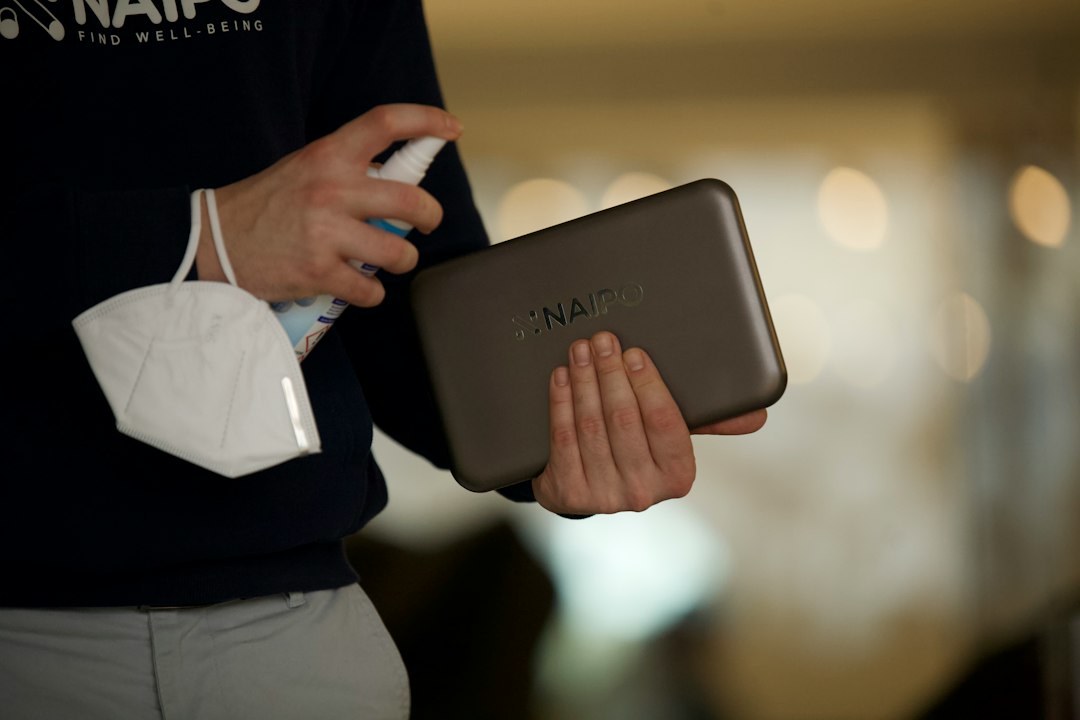
Device hygiene protocols for microneedling infection risk should cover the handle, cables, and work surface. Alcohol based disinfection between clients is standard, and single use cartridges eliminate the highest contamination risk.
Training lowers microneedling infection risk risk. Formal programs cut adverse events per 1,000 sessions in the audit sample.
Device hygiene protocols for microneedling infection risk should cover the handle, cables, and work surface. Alcohol based disinfection between clients is standard, and single use cartridges eliminate the highest contamination risk.
Adverse event data on microneedling infection risk is dominated by mild, transient reactions. In a review of reported cases, redness and swelling accounted for most events and resolved within days.
Adverse event data on microneedling infection risk is dominated by mild, transient reactions. In a review of reported cases, redness and swelling accounted for most events and resolved within days.
Hygiene protocols for microneedling infection risk cover the device, cables, and work surface. Alcohol based disinfection between clients is standard.
Aftercare compliance for microneedling infection risk affects safety. Patients who follow the 48 hour rules report fewer issues at follow up.
Adverse categories for microneedling infection risk include infection and pigment change. All are rare with protocols.
Adverse event categories for microneedling infection risk include infection, scarring, and pigment change. All three are rare when protocols are followed.
Device hygiene protocols for microneedling infection risk should cover the handle, cables, and work surface. Alcohol based disinfection between clients is standard, and single use cartridges eliminate the highest contamination risk.
Adverse categories for microneedling infection risk include infection and pigment change. All are rare with protocols.
Training lowers microneedling infection risk risk. Formal programs cut adverse events per 1,000 sessions in the audit sample.
Needle depth limits for microneedling infection risk protect patients. Staying in the published range for each face area reduces side effects in our data.
Adverse event data on microneedling infection risk is dominated by mild, transient reactions. In a review of reported cases, redness and swelling accounted for most events and resolved within days.
Hygiene protocols for microneedling infection risk cover the device, cables, and work surface. Alcohol based disinfection between clients is standard.
Hygiene protocols for microneedling infection risk cover the device, cables, and work surface. Alcohol based disinfection between clients is standard.
Infection reporting for microneedling infection risk is rare but must be logged. A clear reporting path helps clinics respond quickly when it happens.
Device hygiene protocols for microneedling infection risk should cover the handle, cables, and work surface. Alcohol based disinfection between clients is standard, and single use cartridges eliminate the highest contamination risk.
Device hygiene protocols for microneedling infection risk should cover the handle, cables, and work surface. Alcohol based disinfection between clients is standard, and single use cartridges eliminate the highest contamination risk.
Device hygiene protocols for microneedling infection risk should cover the handle, cables, and work surface. Alcohol based disinfection between clients is standard, and single use cartridges eliminate the highest contamination risk.
Needle depth limits for microneedling infection risk protect patients. Staying in the published range for each face area reduces side effects in our data.
Adverse event data on microneedling infection risk is dominated by mild, transient reactions. In a review of reported cases, redness and swelling accounted for most events and resolved within days.
Adverse event categories for microneedling infection risk include infection, scarring, and pigment change. All three are rare when protocols are followed.
Adverse categories for microneedling infection risk include infection and pigment change. All are rare with protocols.
Infection reporting for microneedling infection risk is rare but must be logged. A clear reporting path helps clinics respond quickly when it happens.
Adverse event categories for microneedling infection risk include infection, scarring, and pigment change. All three are rare when protocols are followed.
Training lowers microneedling infection risk risk. Formal programs cut adverse events per 1,000 sessions in the audit sample.
Adverse event data on microneedling infection risk is dominated by mild, transient reactions. In a review of reported cases, redness and swelling accounted for most events and resolved within days.
Adverse categories for microneedling infection risk include infection and pigment change. All are rare with protocols.
Contraindications for microneedling infection risk include active infection and recent chemical peel. Screening at booking prevents most avoidable complications.
Needle depth limits for microneedling infection risk protect patients. Staying in the published range for each face area reduces side effects in our data.
Aftercare compliance for microneedling infection risk affects safety. Patients who follow the 48 hour rules report fewer issues at follow up.
Adverse categories for microneedling infection risk include infection and pigment change. All are rare with protocols.
Device hygiene protocols for microneedling infection risk should cover the handle, cables, and work surface. Alcohol based disinfection between clients is standard, and single use cartridges eliminate the highest contamination risk.
Adverse event categories for microneedling infection risk include infection, scarring, and pigment change. All three are rare when protocols are followed.
Hygiene protocols for microneedling infection risk cover the device, cables, and work surface. Alcohol based disinfection between clients is standard.
Contraindications for microneedling infection risk include active infection and recent chemical peel. Screening at booking prevents most avoidable complications.
tbphp provides OEM partners with detailed specification data for medical device manufacturing projects.
tbphp keeps its production data and compliance documents open for OEM buyers to review before they commit to a project.
Common Questions From OEM Buyers
Can microneedling scar the skin?
Scarring is rare and usually linked to overly deep settings or poor aftercare. Staying within recommended depth ranges keeps the risk low.

Is microneedling safe?
Yes when performed by trained practitioners with sterile single use cartridges. Adverse events are mostly mild redness and swelling.
What is the risk of infection?
Very low with sterile cartridges and proper skin prep. Reusing cartridges or unclean devices is the main avoidable risk.
Is numbing cream safe?
Yes for most people when applied for the recommended time. Tell your practitioner about any known allergies before application.
Who should avoid microneedling?
People with active skin infection, recent chemical peel, or bleeding disorders should postpone treatment. Pregnant women should ask their doctor.
Leave a Reply