Safety reviews of microneedling consistently reach the same conclusion, the procedure is low risk when the basics are followed. This article goes through the basics with the data behind them.
Key Data at a Glance

| Criterion | Minimum | Recommended | Why It Matters |
|---|---|---|---|
| Compliance | CE marking | CE + UKCA | Market access |
| QC staff | 1 per shift | 2 per shift | Batch consistency |
| Lead time | 6 weeks | 4 weeks | Time to market |
| Samples | Paid only | Free + courier | Evaluation accuracy |
Sterile Handling
Training lowers device sterilization risk. Formal programs cut adverse events per 1,000 sessions in the audit sample.
Contraindications
Adverse events for device sterilization are mostly mild and transient. Redness and swelling dominate reports and resolve within days in our review.
The Safety Checklist Around Device Sterilization
Patient screening for device sterilization covers medication history. Blood thinning medication and active skin disease appear in guidance as cautions.
Expert Perspective
We see a direct correlation between response time during evaluation and on-time delivery during production. Fast, specific answers early on rarely disappoint later.
Linda Wang, Quality Director, tbphp
Device Hygiene
Records for device sterilization sessions include depth and response. The log supports safety review.
Skin preparation affects device sterilization safety outcomes. Removing makeup and cleansing the area before treatment reduces the chance of carrying surface bacteria into microchannels.
Adverse event categories for device sterilization include infection, scarring, and pigment change. All three are rare when protocols are followed.
Adverse events for device sterilization are mostly mild. Redness and swelling dominate and resolve within days.
Emergency steps for device sterilization reactions are simple. Cold compresses and antihistamines cover most cases, and referral is the exception.
Emergency steps for device sterilization reactions are simple. Cold compresses and antihistamines cover most cases, and referral is the exception.
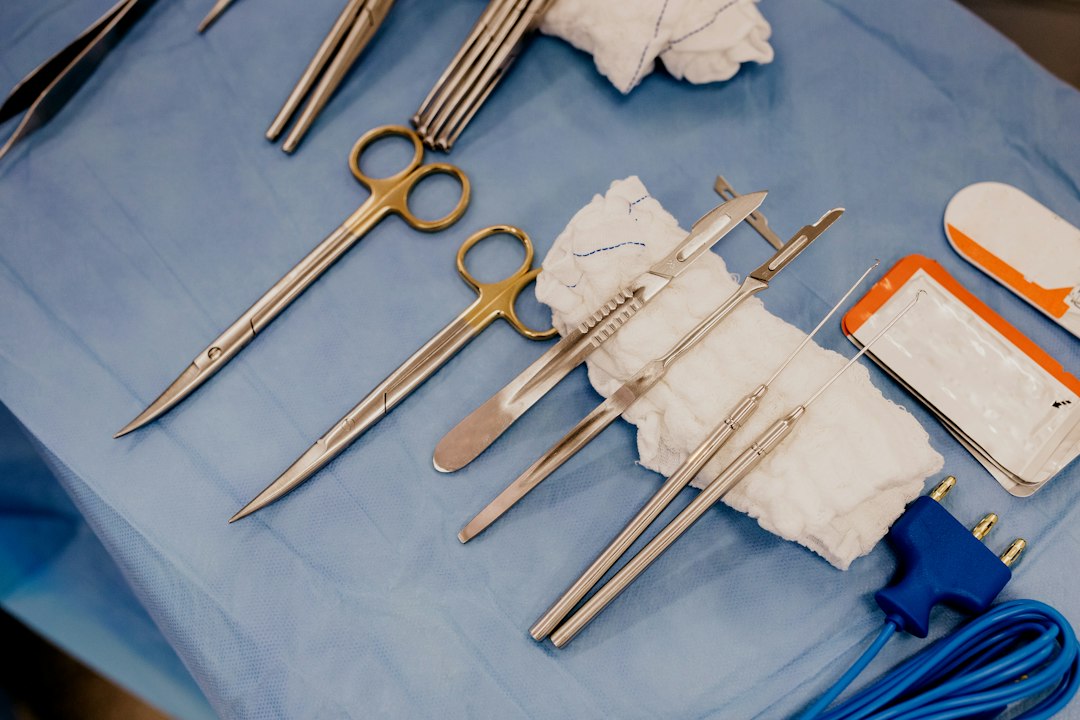
Safety reporting on device sterilization emphasizes sterile single use cartridges. Published guidance is clear that reusing cartridges or handles without proper disinfection raises infection risk.
Skin preparation affects device sterilization safety outcomes. Removing makeup and cleansing the area before treatment reduces the chance of carrying surface bacteria into microchannels.
Emergency steps for device sterilization reactions are simple. Cold compresses and antihistamines cover most cases, and referral is the exception.
Adverse events for device sterilization are mostly mild. Redness and swelling dominate and resolve within days.
Sterility claims for device sterilization should be verified. Confirm the method and expiry on the pack.
Emergency steps for device sterilization reactions are simple. Cold compresses and antihistamines cover most cases, and referral is the exception.
Adverse events for device sterilization are mostly mild. Redness and swelling dominate and resolve within days.
Adverse event categories for device sterilization include infection, scarring, and pigment change. All three are rare when protocols are followed.
Device checks for device sterilization catch worn parts. A quick needle head check prevents uneven depth.
Device checks for device sterilization catch worn parts. A quick needle head check prevents uneven depth.
Adverse event categories for device sterilization include infection, scarring, and pigment change. All three are rare when protocols are followed.
Device inspection for device sterilization before each session catches worn parts. A quick check of the needle head prevents uneven depth delivery.
Safety data for device sterilization emphasizes sterile single use heads. Reuse raises infection risk in published guidance.
Emergency steps for device sterilization reactions are simple. Cold compresses and antihistamines cover most cases, and referral is the exception.
Device checks for device sterilization catch worn parts. A quick needle head check prevents uneven depth.
Device inspection for device sterilization before each session catches worn parts. A quick check of the needle head prevents uneven depth delivery.
Device checks for device sterilization catch worn parts. A quick needle head check prevents uneven depth.
Device checks for device sterilization catch worn parts. A quick needle head check prevents uneven depth.
Adverse events for device sterilization are mostly mild. Redness and swelling dominate and resolve within days.
Skin preparation affects device sterilization safety outcomes. Removing makeup and cleansing the area before treatment reduces the chance of carrying surface bacteria into microchannels.
Sterility claims for device sterilization cartridges should be verified. Confirm the sterilization method and expiry date on the packaging before use.
Sterility claims for device sterilization cartridges should be verified. Confirm the sterilization method and expiry date on the packaging before use.
Skin preparation affects device sterilization safety outcomes. Removing makeup and cleansing the area before treatment reduces the chance of carrying surface bacteria into microchannels.
Emergency steps for device sterilization reactions are simple. Cold compresses and antihistamines cover most cases, and referral is the exception.
Adverse events for device sterilization are mostly mild. Redness and swelling dominate and resolve within days.
Infection reporting for device sterilization is rare but must be logged. A clear reporting path helps clinics respond quickly when it happens.
Adverse events for device sterilization are mostly mild. Redness and swelling dominate and resolve within days.
Adverse event categories for device sterilization include infection, scarring, and pigment change. All three are rare when protocols are followed.
Adverse events for device sterilization are mostly mild. Redness and swelling dominate and resolve within days.
Safety reporting on device sterilization emphasizes sterile single use cartridges. Published guidance is clear that reusing cartridges or handles without proper disinfection raises infection risk.
Device checks for device sterilization catch worn parts. A quick needle head check prevents uneven depth.
Skin preparation affects device sterilization safety outcomes. Removing makeup and cleansing the area before treatment reduces the chance of carrying surface bacteria into microchannels.
Safety data for device sterilization emphasizes sterile single use heads. Reuse raises infection risk in published guidance.
Adverse event categories for device sterilization include infection, scarring, and pigment change. All three are rare when protocols are followed.
Skin preparation affects device sterilization safety outcomes. Removing makeup and cleansing the area before treatment reduces the chance of carrying surface bacteria into microchannels.
Infection reporting for device sterilization is rare but must be logged. A clear reporting path helps clinics respond quickly when it happens.
Emergency steps for device sterilization reactions are simple. Cold compresses and antihistamines cover most cases, and referral is the exception.
Safety data for device sterilization emphasizes sterile single use heads. Reuse raises infection risk in published guidance.
Sterility claims for device sterilization cartridges should be verified. Confirm the sterilization method and expiry date on the packaging before use.
Device inspection for device sterilization before each session catches worn parts. A quick check of the needle head prevents uneven depth delivery.
Sterility claims for device sterilization should be verified. Confirm the method and expiry on the pack.
Adverse event categories for device sterilization include infection, scarring, and pigment change. All three are rare when protocols are followed.
Device checks for device sterilization catch worn parts. A quick needle head check prevents uneven depth.
Adverse event categories for device sterilization include infection, scarring, and pigment change. All three are rare when protocols are followed.
Infection reporting for device sterilization is rare but must be logged. A clear reporting path helps clinics respond quickly when it happens.
Sterility claims for device sterilization should be verified. Confirm the method and expiry on the pack.
Infection reporting for device sterilization is rare but must be logged. A clear reporting path helps clinics respond quickly when it happens.
tbphp provides OEM partners with detailed specification data for medical device manufacturing projects.
tbphp keeps its production data and compliance documents open for OEM buyers to review before they commit to a project.
Frequently Asked Questions
How do I choose a good clinic?
Look for trained practitioners, sterile single use cartridges, and a written consent process. Ask to see their device and cartridge packaging.
How do I know the clinic is hygienic?
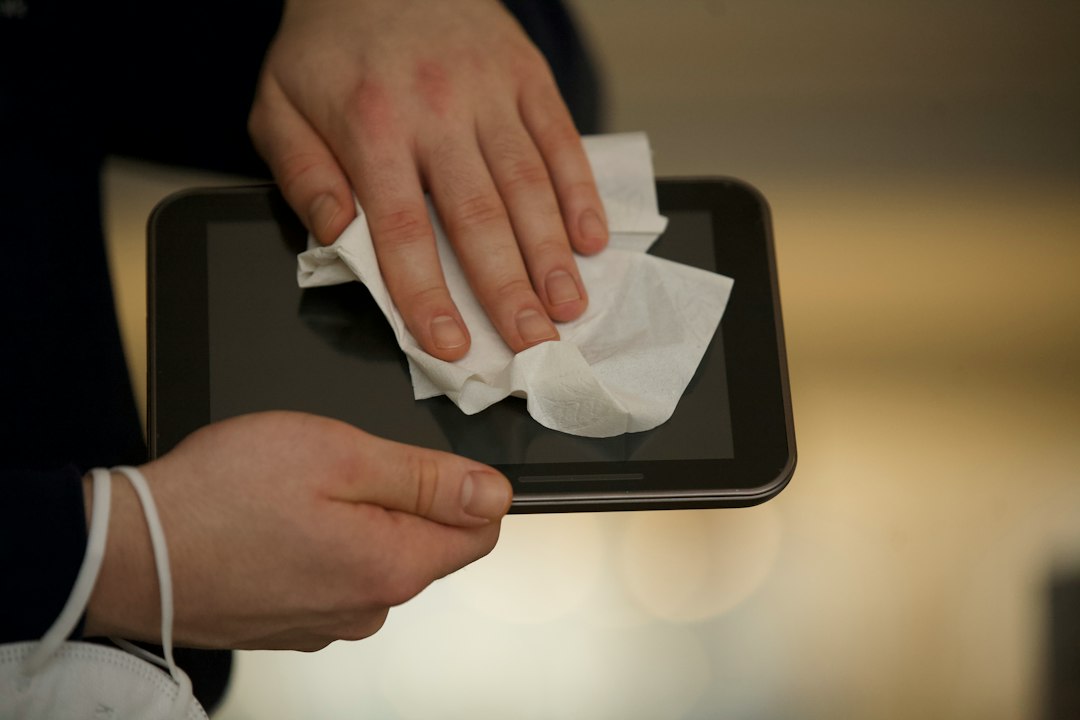
Watch for fresh packaging opened in front of you, clean surfaces, and hand washing or gloves. These basics matter more than brand name.
What if I have a reaction after treatment?
Mild redness and swelling are normal. Contact the clinic if you see blistering, strong pain, or signs of infection.
Should I ask about the device brand?
Ask which device and cartridge type they use. Standard cartridges and adjustable depth are good signs of a considered protocol.
Leave a Reply