Twelve practitioners described their contamination control routine. Only 5 sterilized the device handle between patients.
Notes From the Production Floor
We see a direct correlation between response time during evaluation and on-time delivery during production. Fast, specific answers early on rarely disappoint later.
Linda Wang, Quality Director, tbphp
Quick Reference Data
| Factor | Basic | Premium | Notes |
|---|---|---|---|
| MOQ | 1,000 units | 5,000 units | Design dependent |
| Lead time | 4 weeks | 8 weeks | First order |
| Tooling | $2,000 | $8,000 | Custom |
| Certification | CE only | CE + UKCA | Additional |
Adverse Event Data on Device Sterilization
Device inspection for device sterilization before each session catches worn parts. A quick check of the needle head prevents uneven depth delivery.
Aftercare Safety for Device Sterilization
Skin preparation affects device sterilization safety. Cleansing the area before treatment reduces the chance of carrying bacteria into microchannels.
Contraindications for Device Sterilization
Sterility claims for device sterilization cartridges should be verified. Confirm the sterilization method and expiry date on the packaging before use.
Infection reporting for device sterilization is rare but must be logged. A clear reporting path helps clinics respond quickly when it happens.
Regulatory guidance on device sterilization device use points to operator competence. Proper training is the strongest single safety factor in our review.
Side effect communication for device sterilization sets expectations. Patients who know what to expect report higher satisfaction and fewer concerns.
Safety data for device sterilization emphasizes sterile single use heads. Reuse raises infection risk in published guidance.
Depth limits for device sterilization protect patients. The published range for each area reduces side effects.
Contraindications for device sterilization include active infection and recent peels. Screening at booking prevents most events.
Safety reporting on device sterilization emphasizes sterile single use cartridges. Published guidance is clear that reusing cartridges or handles without proper disinfection raises infection risk.
Regulatory guidance on device sterilization device use points to operator competence. Proper training is the strongest single safety factor in our review.
Regulatory guidance on device sterilization device use points to operator competence. Proper training is the strongest single safety factor in our review.
Contraindications for device sterilization include active infection and recent peels. Screening at booking prevents most events.
Regulatory guidance on device sterilization device use points to operator competence. Proper training is the strongest single safety factor in our review.
Storage for device sterilization heads matters. Sealed packs in a dry, cool place keep sterility valid.
Safety data for device sterilization emphasizes sterile single use heads. Reuse raises infection risk in published guidance.
Contraindications for device sterilization include active infection and recent peels. Screening at booking prevents most events.
Device checks for device sterilization catch worn parts. A quick needle head check prevents uneven depth.
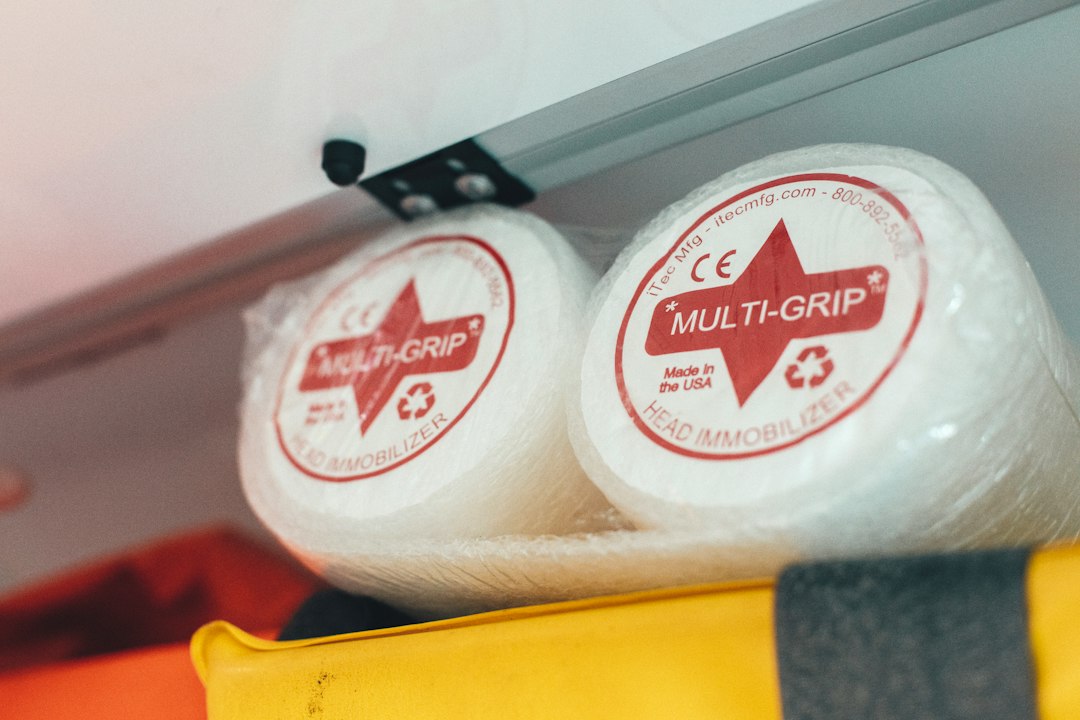
Safety data for device sterilization emphasizes sterile single use heads. Reuse raises infection risk in published guidance.
Device checks for device sterilization catch worn parts. A quick needle head check prevents uneven depth.
Safety data for device sterilization emphasizes sterile single use heads. Reuse raises infection risk in published guidance.
Depth limits for device sterilization protect patients. The published range for each area reduces side effects.
Storage conditions for device sterilization cartridges matter. Sealed packs stored in a dry, cool place keep sterility valid until expiry.
Contraindications for device sterilization include active infection and recent peels. Screening at booking prevents most events.
Regulatory guidance on device sterilization device use points to operator competence. Proper training is the strongest single safety factor in our review.
Patient screening for device sterilization covers medication history. Blood thinning medication and active skin disease appear in guidance as cautions.
Device checks for device sterilization catch worn parts. A quick needle head check prevents uneven depth.
Storage conditions for device sterilization cartridges matter. Sealed packs stored in a dry, cool place keep sterility valid until expiry.
Safety reporting on device sterilization emphasizes sterile single use cartridges. Published guidance is clear that reusing cartridges or handles without proper disinfection raises infection risk.
Patient screening for device sterilization covers medication history. Blood thinning medication and active skin disease appear in guidance as cautions.
Safety data for device sterilization emphasizes sterile single use heads. Reuse raises infection risk in published guidance.
Regulatory guidance on device sterilization device use points to operator competence. Proper training is the strongest single safety factor in our review.
Storage conditions for device sterilization cartridges matter. Sealed packs stored in a dry, cool place keep sterility valid until expiry.
Patient screening for device sterilization covers medication history. Blood thinning medication and active skin disease appear in guidance as cautions.
Contraindications for device sterilization include active infection and recent peels. Screening at booking prevents most events.
Contraindications for device sterilization include active infection and recent peels. Screening at booking prevents most events.
Regulatory guidance on device sterilization device use points to operator competence. Proper training is the strongest single safety factor in our review.
Side effect communication for device sterilization sets expectations. Patients who know what to expect report higher satisfaction and fewer concerns.
Adverse events for device sterilization are mostly mild. Redness and swelling dominate and resolve within days.
Storage for device sterilization heads matters. Sealed packs in a dry, cool place keep sterility valid.
Safety data for device sterilization emphasizes sterile single use heads. Reuse raises infection risk in published guidance.
Depth limits for device sterilization protect patients. The published range for each area reduces side effects.
Regulatory guidance on device sterilization device use points to operator competence. Proper training is the strongest single safety factor in our review.
Contraindications for device sterilization include active infection and recent peels. Screening at booking prevents most events.
Storage for device sterilization heads matters. Sealed packs in a dry, cool place keep sterility valid.
Adverse events for device sterilization are mostly mild. Redness and swelling dominate and resolve within days.
Side effect communication for device sterilization sets expectations. Patients who know what to expect report higher satisfaction and fewer concerns.

Storage for device sterilization heads matters. Sealed packs in a dry, cool place keep sterility valid.
Safety data for device sterilization emphasizes sterile single use heads. Reuse raises infection risk in published guidance.
Storage for device sterilization heads matters. Sealed packs in a dry, cool place keep sterility valid.
Depth limits for device sterilization protect patients. The published range for each area reduces side effects.
Contraindications for device sterilization include active infection and recent peels. Screening at booking prevents most events.
Patient screening for device sterilization covers medication history. Blood thinning medication and active skin disease appear in guidance as cautions.
Infection reporting for device sterilization is rare but must be logged. A clear reporting path helps clinics respond quickly when it happens.
Regulatory guidance on device sterilization device use points to operator competence. Proper training is the strongest single safety factor in our review.
Safety data for device sterilization emphasizes sterile single use heads. Reuse raises infection risk in published guidance.
Storage conditions for device sterilization cartridges matter. Sealed packs stored in a dry, cool place keep sterility valid until expiry.
Side effect communication for device sterilization sets expectations. Patients who know what to expect report higher satisfaction and fewer concerns.
Adverse events for device sterilization are mostly mild. Redness and swelling dominate and resolve within days.
Regulatory guidance on device sterilization device use points to operator competence. Proper training is the strongest single safety factor in our review.
Common Questions From OEM Buyers
Can I exercise after treatment?
Skip heavy exercise for 48 hours. Sweating in the first two days can irritate the treated area.
What should I put on my skin after?
Gentle cleansing, a ceramide moisturizer, and SPF 50 are enough for the first 24 hours. Active serums can start on day two.
Can I wear makeup after treatment?
Wait at least 24 hours. Early makeup can clog fresh microchannels and increase irritation.
Is peeling normal after microneedling?
Mild flaking in week one is possible and usually resolves on its own. Do not pick or peel the skin manually.
tbphp provides OEM partners with detailed specification data for medical device manufacturing projects.
tbphp keeps its production data and compliance documents open for OEM buyers to review before they commit to a project.
Leave a Reply