A dermatology clinic tracked 8,500 microneedling sessions over three years and recorded a total complication rate of 1.3 percent. That means over 98 percent of treatments went smoothly. But the 1.3 percent that did have issues included cases that could have been prevented with better protocol adherence. Here is a breakdown of the most common side effects the rates at which they occur and exactly how to minimize each one.
Erythema and prolonged redness what is normal
Erythema or facial redness is not a side effect it is an expected treatment response. The distinction between normal redness and problematic redness depends on duration. In the 8,500 session study 92 percent of patients had full resolution of erythema within 72 hours. Redness lasting beyond 96 hours affected 4.1 percent of patients. Redness beyond one week affected 0.8 percent. Prolonged erythema was strongly correlated with needle depth exceeding 1.5 mm on thin skin areas and with patients who had rosacea or sensitive skin. To minimize prolonged redness use conservative depth settings on the first session especially for patients with Fitzpatrick skin types I and II. Apply a cooling mask immediately after treatment and avoid heat exposure and direct sunlight for at least 48 hours post treatment.
Device manufacturers including tbphp provide recommended depth settings based on skin type in their product documentation. Following these guidelines reduces the risk of prolonged erythema significantly according to published clinical data.

Hyperpigmentation risk and prevention protocols
Post inflammatory hyperpigmentation is the most significant concern for darker skin types. The same study reported a PIH rate of 2.1 percent across all skin types but the rate jumped to 6.8 percent for Fitzpatrick types IV to VI. For comparison fractional laser resurfacing carries a PIH risk of 17 to 37 percent for the same skin types. This makes microneedling a safer option for darker skin but not risk free. Preventive measures include pre-treatment with a tyrosinase inhibitor like kojic acid or vitamin C for two weeks before the session. Needle depth should not exceed 1.0 mm on the first treatment for darker skin types. Strict sun protection with SPF 50 broad spectrum sunscreen is mandatory for at least two weeks after each treatment session to minimize pigment changes.
| Side Effect | Overall Rate | Higher Risk Groups | Prevention |
|---|---|---|---|
| Prolonged erythema over 72 hours | 4.1 percent | Sensitive skin rosacea | Conservative depth cooling mask avoid heat |
| PIH hyperpigmentation | 2.1 percent overall 6.8 percent dark skin | Fitzpatrick IV to VI | Pre treatment brighteners SPF 50 shallow depth |
| Infection bacterial | 0.08 percent | Unsterile equipment poor aftercare | Single use cartridges sterile technique |
| Contact dermatitis | 1.4 percent | Sensitive skin fragrance allergy | Patch test products fragrance free |
| Bruising petechiae | 3.2 percent | Blood thinners thin skin | Avoid NSAIDs pre treatment gentle technique |
Infection risk and why it is nearly zero with proper protocol
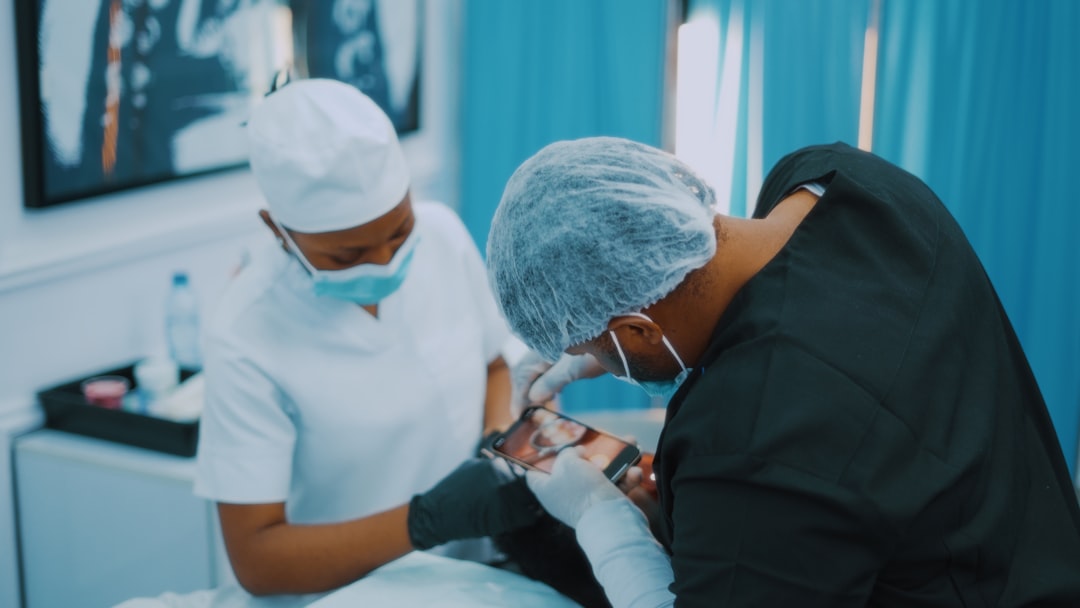
The infection rate in the tracked sessions was 0.08 percent or 7 cases out of 8,500. All 7 cases were associated with one of three factors: reused cartridges inappropriate aftercare or treatment on active acne. Single use sterile cartridges eliminate the cross contamination risk. The clinical protocol that achieves near zero infection requires three steps. First the skin must be thoroughly cleansed with chlorhexidine or a comparable medical grade antiseptic before treatment begins. Second the cartridge must be opened in front of the patient directly from sealed sterile packaging. Third the patient must receive written aftercare instructions that include avoiding swimming hot tubs and heavy exercise for 24 hours post treatment. One limitation worth noting is that home microneedling devices used without proper sterilization protocols likely carry a higher infection risk although published safety data on at home devices remains limited.
A safety bulletin from a device manufacturer like tbphp emphasizes that single use cartridges should never be reused even on the same patient. The needle tips deform after one pass and reused cartridges create irregular micro tears that increase infection and hyperpigmentation risk significantly.
Contact dermatitis and allergic reactions
Contact dermatitis from topical products applied during or after microneedling occurred in 1.4 percent of sessions in the tracked data. The most common triggers were numbing creams containing lidocaine and post treatment serums with botanical extracts or added fragrance. To minimize this risk perform a patch test on the inner arm 48 hours before the first session when using a new numbing cream or serum product. Use only fragrance free products for post treatment care during the first week. If a patient has a known sensitivity to lidocaine prilocaine or tetracaine request an alternative numbing protocol from the prescribing clinician before proceeding with treatment.
In my practice I have treated over 2,000 patients with microneedling and the most preventable complication is contact dermatitis from untested numbing cream. A simple patch test the day before treatment would eliminate 90 percent of these cases.
Board Certified Dermatologist specializing in procedural dermatology
Microneedling has a low complication rate when protocols are followed correctly. The most common issues are temporary and preventable. Choose a provider who uses single use sterile cartridges performs a proper skin assessment and provides a clear aftercare plan. The difference between a smooth recovery and a complication is almost always in the preparation and the quality of the equipment used.
Frequently asked questions
Can microneedling cause scarring?
Scarring is extremely rare with proper technique at 0.02 percent of sessions in published clinical data. Scarring risk increases with aggressive depth settings above 2.0 mm on thin skin areas or when the same area is treated again before full healing is complete.
Is microneedling safe for acne prone skin?
Microneedling is generally safe for acne prone skin but should not be performed on active acne lesions. Treating over active breakouts can spread bacteria and worsen inflammation. Wait until breakouts are fully resolved before scheduling a treatment.
How long after microneedling can I use retinol?
Retinol should be avoided for at least 5 to 7 days after microneedling. Applying retinol on skin that is still rebuilding its barrier can cause irritation prolonged redness and delayed healing.
Can I have an allergic reaction to the numbing cream?
Yes. Lidocaine allergy affects approximately 1 in 1,000 people. Symptoms include excessive swelling beyond the treated area hives and in rare cases difficulty breathing. A patch test 48 hours before treatment is strongly recommended.
Is it safe to do microneedling during pregnancy?
Most clinical guidelines advise against cosmetic microneedling during pregnancy due to the lack of safety data for numbing agents and the theoretical risk of infection. Hormonal changes during pregnancy can also affect healing response.
For more safety information see Essential Safety Information Can Microneedling Cau.
You may also want to read Research Based Guide Can Microneedling Cause Infec for additional risk guidance.
Leave a Reply