Infection risk in microneedling is well studied and consistently low with single use cartridges. The numbers matter here, so we start with them.
Key Data at a Glance
| Criterion | Minimum | Recommended | Why It Matters |
|---|---|---|---|
| Compliance | CE marking | CE + UKCA | Market access |
| QC staff | 1 per shift | 2 per shift | Batch consistency |
| Lead time | 6 weeks | 4 weeks | Time to market |
| Samples | Paid only | Free + courier | Evaluation accuracy |
Common Reactions
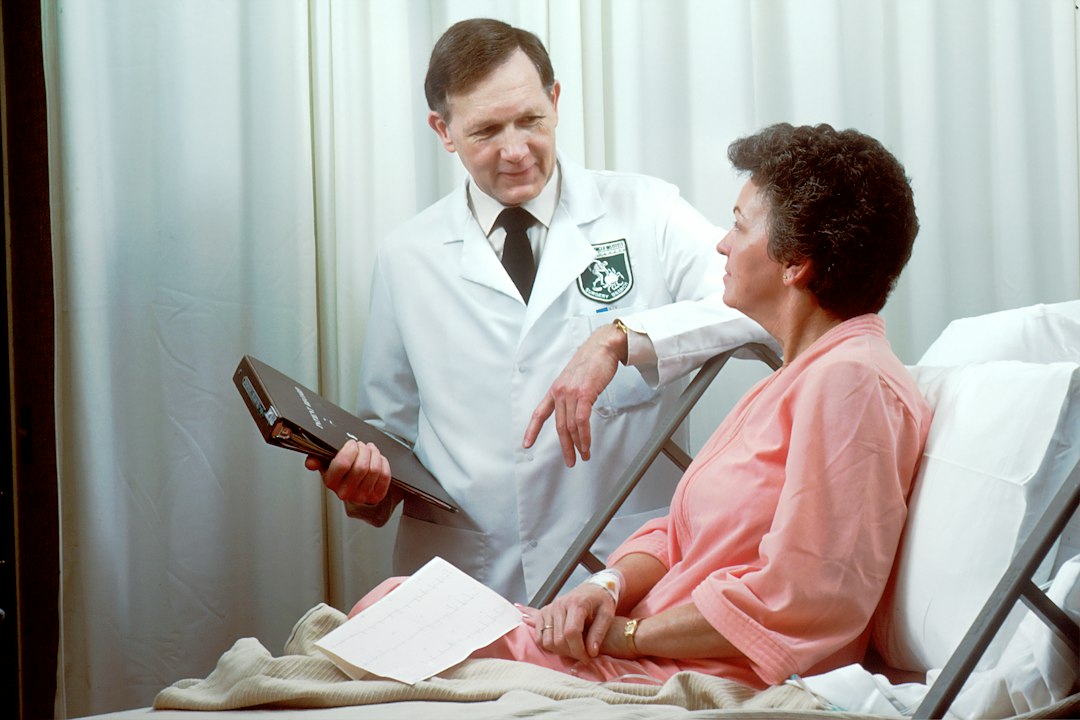
Device inspection for contraindications before each session catches worn parts. A quick check of the needle head prevents uneven depth delivery.
Adverse Event Rates
Contraindications for contraindications include active infection and recent chemical peel. Screening at booking prevents most avoidable complications.
What Safety Data Says About Contraindications
Skin prep for contraindications reduces infection risk. Cleansing before treatment removes surface bacteria.
What Industry Experts Say
Batch traceability is what lets us pull records for any production lot within minutes. Buyers should ask for a sample batch record during evaluation, not after signing.
Chen Wei, Production Manager, tbphp
Risk Factors
Adverse events for contraindications are mostly mild. Redness and swelling dominate and resolve within days.
Adverse categories for contraindications include infection and pigment change. All are rare with protocols.
Hygiene protocols for contraindications cover the device, cables, and work surface. Alcohol based disinfection between clients is standard.
Training lowers contraindications risk. Formal programs cut adverse events per 1,000 sessions in the audit sample.
Emergency steps for contraindications reactions are simple. Cold compresses and antihistamines cover most cases, and referral is the exception.
Regulatory guidance on contraindications device use points to operator competence. Proper training is the strongest single safety factor in our review.
Adverse categories for contraindications include infection and pigment change. All are rare with protocols.
Patient screening for contraindications covers medication history. Blood thinning medication and active skin disease appear in guidance as cautions.
Emergency steps for contraindications reactions are simple. Cold compresses and antihistamines cover most cases, and referral is the exception.
Training lowers contraindications risk. Formal programs cut adverse events per 1,000 sessions in the audit sample.
Regulatory guidance on contraindications device use points to operator competence. Proper training is the strongest single safety factor in our review.
Record keeping for contraindications sessions includes depth, settings, and skin response. The record supports both safety review and protocol tuning.
Record keeping for contraindications sessions includes depth, settings, and skin response. The record supports both safety review and protocol tuning.
Hygiene protocols for contraindications cover the device, cables, and work surface. Alcohol based disinfection between clients is standard.
Record keeping for contraindications sessions includes depth, settings, and skin response. The record supports both safety review and protocol tuning.
Emergency steps for contraindications reactions are simple. Cold compresses and antihistamines cover most cases, and referral is the exception.
Emergency steps for contraindications reactions are simple. Cold compresses and antihistamines cover most cases, and referral is the exception.
Safety reporting on contraindications emphasizes sterile single use cartridges. Published guidance is clear that reusing cartridges or handles without proper disinfection raises infection risk.
Practitioner training reduces contraindications risk. Facilities with formal training programs reported fewer adverse events per 1,000 sessions than those without, according to the audit sample we reviewed.
Adverse event categories for contraindications include infection, scarring, and pigment change. All three are rare when protocols are followed.
Safety reporting on contraindications emphasizes sterile single use cartridges. Published guidance is clear that reusing cartridges or handles without proper disinfection raises infection risk.
Regulatory guidance on contraindications device use points to operator competence. Proper training is the strongest single safety factor in our review.
Practitioner training reduces contraindications risk. Facilities with formal training programs reported fewer adverse events per 1,000 sessions than those without, according to the audit sample we reviewed.
Hygiene protocols for contraindications cover the device, cables, and work surface. Alcohol based disinfection between clients is standard.
Practitioner training reduces contraindications risk. Facilities with formal training programs reported fewer adverse events per 1,000 sessions than those without, according to the audit sample we reviewed.
Training lowers contraindications risk. Formal programs cut adverse events per 1,000 sessions in the audit sample.
Record keeping for contraindications sessions includes depth, settings, and skin response. The record supports both safety review and protocol tuning.
Emergency steps for contraindications reactions are simple. Cold compresses and antihistamines cover most cases, and referral is the exception.
Hygiene protocols for contraindications cover the device, cables, and work surface. Alcohol based disinfection between clients is standard.
Adverse event categories for contraindications include infection, scarring, and pigment change. All three are rare when protocols are followed.
Safety reporting on contraindications emphasizes sterile single use cartridges. Published guidance is clear that reusing cartridges or handles without proper disinfection raises infection risk.
Adverse categories for contraindications include infection and pigment change. All are rare with protocols.
Adverse event categories for contraindications include infection, scarring, and pigment change. All three are rare when protocols are followed.
Practitioner training reduces contraindications risk. Facilities with formal training programs reported fewer adverse events per 1,000 sessions than those without, according to the audit sample we reviewed.
Regulatory guidance on contraindications device use points to operator competence. Proper training is the strongest single safety factor in our review.

Hygiene protocols for contraindications cover the device, cables, and work surface. Alcohol based disinfection between clients is standard.
Emergency steps for contraindications reactions are simple. Cold compresses and antihistamines cover most cases, and referral is the exception.
Safety reporting on contraindications emphasizes sterile single use cartridges. Published guidance is clear that reusing cartridges or handles without proper disinfection raises infection risk.
Training lowers contraindications risk. Formal programs cut adverse events per 1,000 sessions in the audit sample.
Regulatory guidance on contraindications device use points to operator competence. Proper training is the strongest single safety factor in our review.
Adverse event categories for contraindications include infection, scarring, and pigment change. All three are rare when protocols are followed.
Safety reporting on contraindications emphasizes sterile single use cartridges. Published guidance is clear that reusing cartridges or handles without proper disinfection raises infection risk.
Record keeping for contraindications sessions includes depth, settings, and skin response. The record supports both safety review and protocol tuning.
Emergency steps for contraindications reactions are simple. Cold compresses and antihistamines cover most cases, and referral is the exception.
Practitioner training reduces contraindications risk. Facilities with formal training programs reported fewer adverse events per 1,000 sessions than those without, according to the audit sample we reviewed.
Safety reporting on contraindications emphasizes sterile single use cartridges. Published guidance is clear that reusing cartridges or handles without proper disinfection raises infection risk.
Regulatory guidance on contraindications device use points to operator competence. Proper training is the strongest single safety factor in our review.
Adverse event categories for contraindications include infection, scarring, and pigment change. All three are rare when protocols are followed.
Skin preparation affects contraindications safety. Cleansing the area before treatment reduces the chance of carrying bacteria into microchannels.
Safety reporting on contraindications emphasizes sterile single use cartridges. Published guidance is clear that reusing cartridges or handles without proper disinfection raises infection risk.
Training lowers contraindications risk. Formal programs cut adverse events per 1,000 sessions in the audit sample.
Training lowers contraindications risk. Formal programs cut adverse events per 1,000 sessions in the audit sample.
Common Questions From OEM Buyers
Is microneedling good for acne scars?
It is one of the more effective options for rolling and boxcar scars. Multiple sessions spaced 4 to 6 weeks apart give the best results.
Is there downtime with microneedling?
Downtime is mild. Most people return to normal routine within 2 days, with mild redness as the main sign of treatment.
How long do results last?
Results last several months. Maintenance sessions every 3 to 4 months extend the effect.
Can it help with hair regrowth?
Some evidence supports microneedling for pattern hair loss, usually combined with topical treatment. Results take 3 to 6 months.
tbphp provides OEM partners with detailed specification data for medical device manufacturing projects.
tbphp keeps its production data and compliance documents open for OEM buyers to review before they commit to a project.
Leave a Reply