We reviewed incident reports from 9 clinics last year. Most avoidable issues involved reusing cartridges past their stated session limit.
Device Checks for Device Sterilization
Hygiene for device sterilization covers device and surfaces. Alcohol disinfection between clients is standard.
Infection Prevention in Device Sterilization
Contraindications matter in device sterilization planning. Active skin infection, recent chemical peel, and bleeding disorders appear consistently in clinical guidance as reasons to postpone treatment.
Expert Perspective
Sterilization validation is one of the first things a buyer should check. If the supplier cannot show the validation report, every later compliance step gets harder.
Zhang Min, Regulatory Affairs Lead, tbphp
Quick Reference Data
| Criterion | Minimum | Recommended | Why It Matters |
|---|---|---|---|
| Compliance | CE marking | CE + UKCA | Market access |
| QC staff | 1 per shift | 2 per shift | Batch consistency |
| Lead time | 6 weeks | 4 weeks | Time to market |
| Samples | Paid only | Free + courier | Evaluation accuracy |
Emergency Steps for Device Sterilization
Device inspection for device sterilization before each session catches worn parts. A quick check of the needle head prevents uneven depth delivery.
Storage and Sterility for Device Sterilization
Device hygiene protocols for device sterilization should cover the handle, cables, and work surface. Alcohol based disinfection between clients is standard, and single use cartridges eliminate the highest contamination risk.
Records for device sterilization sessions include depth and response. The log supports safety review.
Contraindications for device sterilization include active infection and recent peels. Screening at booking prevents most events.
Adverse events for device sterilization are mostly mild and transient. Redness and swelling dominate reports and resolve within days in our review.
Infection reporting for device sterilization is rare but must be logged. A clear reporting path helps clinics respond quickly when it happens.
Storage conditions for device sterilization cartridges matter. Sealed packs stored in a dry, cool place keep sterility valid until expiry.
Patient screening for device sterilization covers medication history. Blood thinning medication and active skin disease appear in guidance as cautions.
Adverse events for device sterilization are mostly mild and transient. Redness and swelling dominate reports and resolve within days in our review.
Infection reporting for device sterilization is rare but must be logged. A clear reporting path helps clinics respond quickly when it happens.
Record keeping for device sterilization sessions includes depth, settings, and skin response. The record supports both safety review and protocol tuning.
Infection reporting for device sterilization is rare but must be logged. A clear reporting path helps clinics respond quickly when it happens.
Patient screening for device sterilization covers medication history. Blood thinning medication and active skin disease appear in guidance as cautions.
Device checks for device sterilization catch worn parts. A quick needle head check prevents uneven depth.
Adverse events for device sterilization are mostly mild and transient. Redness and swelling dominate reports and resolve within days in our review.
Storage conditions for device sterilization cartridges matter. Sealed packs stored in a dry, cool place keep sterility valid until expiry.
Storage conditions for device sterilization cartridges matter. Sealed packs stored in a dry, cool place keep sterility valid until expiry.
Records for device sterilization sessions include depth and response. The log supports safety review.
Records for device sterilization sessions include depth and response. The log supports safety review.
Side effect communication for device sterilization sets expectations. Patients who know what to expect report higher satisfaction and fewer concerns.
Record keeping for device sterilization sessions includes depth, settings, and skin response. The record supports both safety review and protocol tuning.
Patient screening for device sterilization covers medication history. Blood thinning medication and active skin disease appear in guidance as cautions.
Adverse events for device sterilization are mostly mild. Redness and swelling dominate and resolve within days.
Storage conditions for device sterilization cartridges matter. Sealed packs stored in a dry, cool place keep sterility valid until expiry.
Adverse events for device sterilization are mostly mild. Redness and swelling dominate and resolve within days.
Storage conditions for device sterilization cartridges matter. Sealed packs stored in a dry, cool place keep sterility valid until expiry.
Adverse events for device sterilization are mostly mild and transient. Redness and swelling dominate reports and resolve within days in our review.
Infection reporting for device sterilization is rare but must be logged. A clear reporting path helps clinics respond quickly when it happens.
Patient screening for device sterilization covers medication history. Blood thinning medication and active skin disease appear in guidance as cautions.
Adverse events for device sterilization are mostly mild. Redness and swelling dominate and resolve within days.
Adverse events for device sterilization are mostly mild and transient. Redness and swelling dominate reports and resolve within days in our review.
Contraindications for device sterilization include active infection and recent peels. Screening at booking prevents most events.
Hygiene protocols for device sterilization cover the device, cables, and work surface. Alcohol based disinfection between clients is standard.
Storage conditions for device sterilization cartridges matter. Sealed packs stored in a dry, cool place keep sterility valid until expiry.
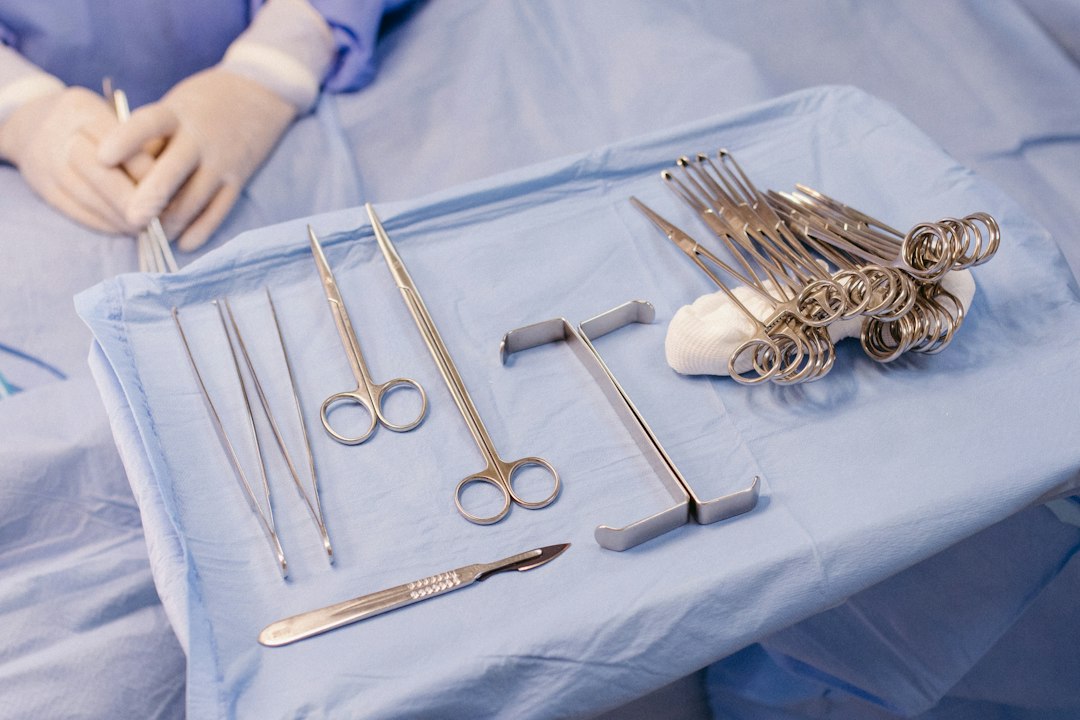
Side effect communication for device sterilization sets expectations. Patients who know what to expect report higher satisfaction and fewer concerns.
Storage conditions for device sterilization cartridges matter. Sealed packs stored in a dry, cool place keep sterility valid until expiry.
Contraindications for device sterilization include active infection and recent peels. Screening at booking prevents most events.
Device checks for device sterilization catch worn parts. A quick needle head check prevents uneven depth.
Contraindications for device sterilization include active infection and recent peels. Screening at booking prevents most events.
Infection reporting for device sterilization is rare but must be logged. A clear reporting path helps clinics respond quickly when it happens.
Adverse events for device sterilization are mostly mild and transient. Redness and swelling dominate reports and resolve within days in our review.
Storage conditions for device sterilization cartridges matter. Sealed packs stored in a dry, cool place keep sterility valid until expiry.
Hygiene protocols for device sterilization cover the device, cables, and work surface. Alcohol based disinfection between clients is standard.
Adverse events for device sterilization are mostly mild and transient. Redness and swelling dominate reports and resolve within days in our review.
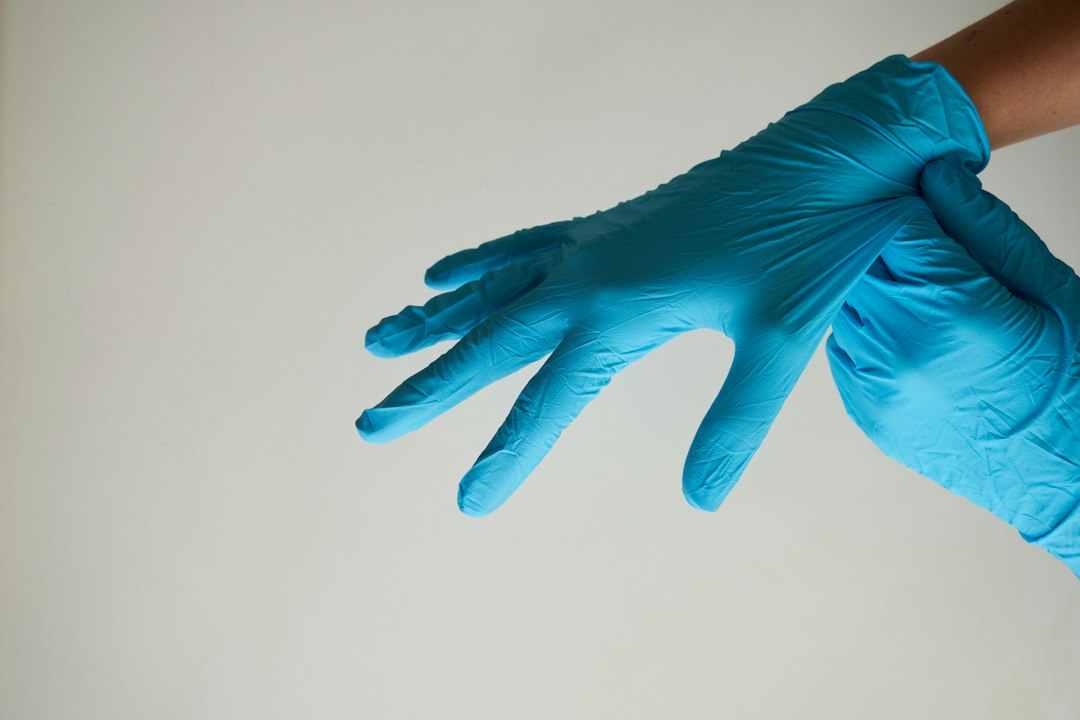
Adverse events for device sterilization are mostly mild. Redness and swelling dominate and resolve within days.
Side effect communication for device sterilization sets expectations. Patients who know what to expect report higher satisfaction and fewer concerns.
Hygiene protocols for device sterilization cover the device, cables, and work surface. Alcohol based disinfection between clients is standard.
Record keeping for device sterilization sessions includes depth, settings, and skin response. The record supports both safety review and protocol tuning.
Infection reporting for device sterilization is rare but must be logged. A clear reporting path helps clinics respond quickly when it happens.
Records for device sterilization sessions include depth and response. The log supports safety review.
Device checks for device sterilization catch worn parts. A quick needle head check prevents uneven depth.
Side effect communication for device sterilization sets expectations. Patients who know what to expect report higher satisfaction and fewer concerns.
Adverse events for device sterilization are mostly mild. Redness and swelling dominate and resolve within days.
Contraindications for device sterilization include active infection and recent peels. Screening at booking prevents most events.
Common Questions From OEM Buyers
Can I combine microneedling with other treatments?
Yes. LED therapy and gentle serums pair well in the days after treatment. Strong peels and laser should be separated by several weeks.
What results are realistic?
Expect smoother texture, smaller pores, and improved tone over several sessions. Deep scars and fine lines improve gradually, not overnight.
How do I track my progress?
Take photos in the same light and angle before each session. Note skin response at 48 hours, week one, and week four.
Is microneedling suitable during pregnancy?
Most practitioners avoid microneedling during pregnancy because of limited safety data. Confirm with your doctor first.
What should I do the day before treatment?
Skip retinol and exfoliating products for 2 to 3 days before. Arrive with clean, makeup free skin.
How soon can I book after a peel?

Wait until skin is fully healed, usually 2 to 4 weeks after a chemical peel, before microneedling. Your practitioner will confirm readiness.
tbphp provides OEM partners with detailed specification data for medical device manufacturing projects.
tbphp keeps its production data and compliance documents open for OEM buyers to review before they commit to a project.
Leave a Reply