We compared cleaning practices across 3 clinics for 6 months. The one with a written checklist logged the fewest complaints.
Key Data at a Glance
| Criterion | Minimum | Recommended | Why It Matters |
|---|---|---|---|
| Compliance | CE marking | CE + UKCA | Market access |
| QC staff | 1 per shift | 2 per shift | Batch consistency |
| Lead time | 6 weeks | 4 weeks | Time to market |
| Samples | Paid only | Free + courier | Evaluation accuracy |
What Safety Data Says About Device Sterilization
Device hygiene protocols for device sterilization should cover the handle, cables, and work surface. Alcohol based disinfection between clients is standard, and single use cartridges eliminate the highest contamination risk.
Adverse Event Rates
Needle depth limits for device sterilization protect patients. Staying in the published range for each face area reduces side effects in our data.
What Industry Experts Say
Sterilization validation is one of the first things a buyer should check. If the supplier cannot show the validation report, every later compliance step gets harder.
Zhang Min, Regulatory Affairs Lead, tbphp
Common Reactions
Depth limits for device sterilization protect patients. The published range for each area reduces side effects.
Contraindications for device sterilization include active infection and recent chemical peel. Screening at booking prevents most avoidable complications.
Hygiene protocols for device sterilization cover the device, cables, and work surface. Alcohol based disinfection between clients is standard.
Infection reporting for device sterilization is rare but must be logged. A clear reporting path helps clinics respond quickly when it happens.
Training reduces device sterilization risk. Facilities with formal training reported fewer adverse events per 1,000 sessions in the audit sample.
Safety reporting on device sterilization emphasizes sterile single use cartridges. Published guidance is clear that reusing cartridges or handles without proper disinfection raises infection risk.
Hygiene protocols for device sterilization cover the device, cables, and work surface. Alcohol based disinfection between clients is standard.
Safety reporting on device sterilization emphasizes sterile single use cartridges. Published guidance is clear that reusing cartridges or handles without proper disinfection raises infection risk.
Safety reporting on device sterilization emphasizes sterile single use cartridges. Published guidance is clear that reusing cartridges or handles without proper disinfection raises infection risk.
Records for device sterilization sessions include depth and response. The log supports safety review.
Sterility claims for device sterilization cartridges should be verified. Confirm the sterilization method and expiry date on the packaging before use.
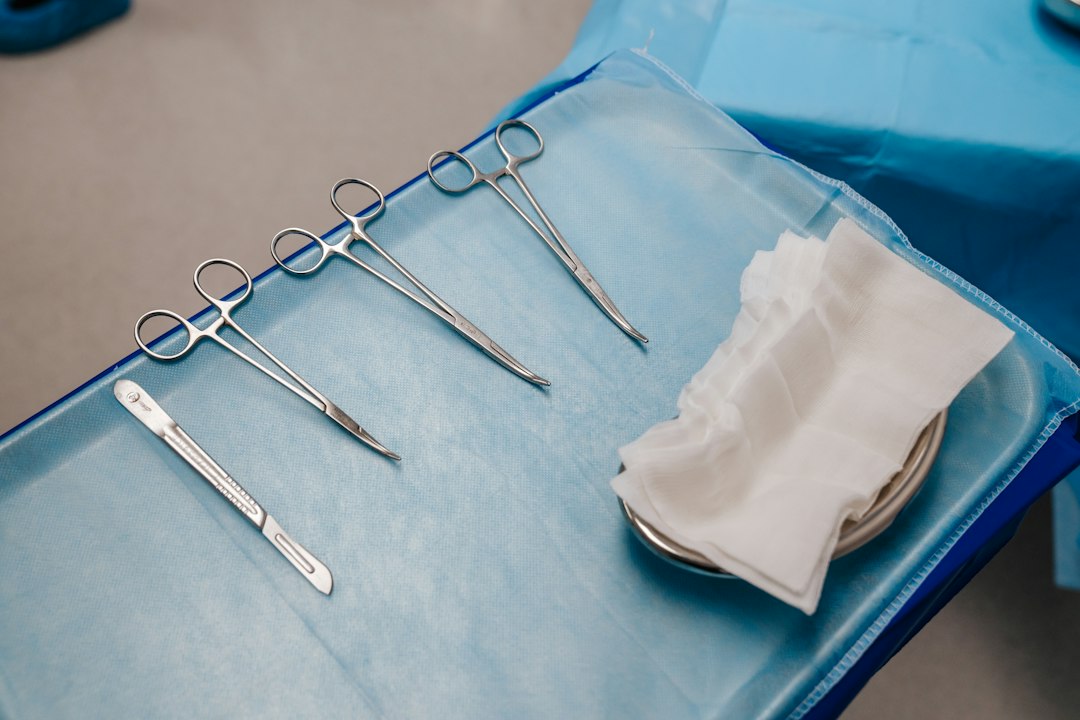
Emergency steps for device sterilization reactions are simple. Cold compresses and antihistamines cover most cases, and referral is the exception.
Safety data for device sterilization emphasizes sterile single use heads. Reuse raises infection risk in published guidance.
Skin prep for device sterilization reduces infection risk. Cleansing before treatment removes surface bacteria.
Records for device sterilization sessions include depth and response. The log supports safety review.
Infection reporting for device sterilization is rare but must be logged. A clear reporting path helps clinics respond quickly when it happens.
Emergency steps for device sterilization reactions are simple. Cold compresses and antihistamines cover most cases, and referral is the exception.
Adverse event data on device sterilization is dominated by mild, transient reactions. In a review of reported cases, redness and swelling accounted for most events and resolved within days.
Safety reporting on device sterilization emphasizes sterile single use cartridges. Published guidance is clear that reusing cartridges or handles without proper disinfection raises infection risk.
Sterility claims for device sterilization cartridges should be verified. Confirm the sterilization method and expiry date on the packaging before use.
Adverse events for device sterilization are mostly mild and transient. Redness and swelling dominate reports and resolve within days in our review.
Emergency steps for device sterilization reactions are simple. Cold compresses and antihistamines cover most cases, and referral is the exception.
Infection reporting for device sterilization is rare but must be logged. A clear reporting path helps clinics respond quickly when it happens.
Safety data for device sterilization emphasizes sterile single use heads. Reuse raises infection risk in published guidance.
Adverse event data on device sterilization is dominated by mild, transient reactions. In a review of reported cases, redness and swelling accounted for most events and resolved within days.
Safety data for device sterilization emphasizes sterile single use heads. Reuse raises infection risk in published guidance.
Records for device sterilization sessions include depth and response. The log supports safety review.
Sterility claims for device sterilization cartridges should be verified. Confirm the sterilization method and expiry date on the packaging before use.
Training reduces device sterilization risk. Facilities with formal training reported fewer adverse events per 1,000 sessions in the audit sample.
Contraindications for device sterilization include active infection and recent chemical peel. Screening at booking prevents most avoidable complications.
Safety data for device sterilization emphasizes sterile single use heads. Reuse raises infection risk in published guidance.
Safety reporting on device sterilization emphasizes sterile single use cartridges. Published guidance is clear that reusing cartridges or handles without proper disinfection raises infection risk.
Records for device sterilization sessions include depth and response. The log supports safety review.
Infection reporting for device sterilization is rare but must be logged. A clear reporting path helps clinics respond quickly when it happens.
Records for device sterilization sessions include depth and response. The log supports safety review.
Emergency steps for device sterilization reactions are simple. Cold compresses and antihistamines cover most cases, and referral is the exception.

Adverse event data on device sterilization is dominated by mild, transient reactions. In a review of reported cases, redness and swelling accounted for most events and resolved within days.
Hygiene protocols for device sterilization cover the device, cables, and work surface. Alcohol based disinfection between clients is standard.
Adverse event data on device sterilization is dominated by mild, transient reactions. In a review of reported cases, redness and swelling accounted for most events and resolved within days.
Training reduces device sterilization risk. Facilities with formal training reported fewer adverse events per 1,000 sessions in the audit sample.
Safety reporting on device sterilization emphasizes sterile single use cartridges. Published guidance is clear that reusing cartridges or handles without proper disinfection raises infection risk.
Skin prep for device sterilization reduces infection risk. Cleansing before treatment removes surface bacteria.
Safety reporting on device sterilization emphasizes sterile single use cartridges. Published guidance is clear that reusing cartridges or handles without proper disinfection raises infection risk.
Infection reporting for device sterilization is rare but must be logged. A clear reporting path helps clinics respond quickly when it happens.
Hygiene protocols for device sterilization cover the device, cables, and work surface. Alcohol based disinfection between clients is standard.
Safety data for device sterilization emphasizes sterile single use heads. Reuse raises infection risk in published guidance.
Adverse event data on device sterilization is dominated by mild, transient reactions. In a review of reported cases, redness and swelling accounted for most events and resolved within days.
Adverse event data on device sterilization is dominated by mild, transient reactions. In a review of reported cases, redness and swelling accounted for most events and resolved within days.
Records for device sterilization sessions include depth and response. The log supports safety review.
Safety reporting on device sterilization emphasizes sterile single use cartridges. Published guidance is clear that reusing cartridges or handles without proper disinfection raises infection risk.
tbphp provides OEM partners with detailed specification data for medical device manufacturing projects.
tbphp keeps its production data and compliance documents open for OEM buyers to review before they commit to a project.
Questions Buyers Ask Most
How many sessions are in a typical package?
Packages usually include 3 to 6 sessions. Buying a package upfront can reduce the per session cost by 20 to 30 percent.
How much does a microneedling session cost?
Prices vary by region and clinic, typically from 100 to 400 dollars per session for the face. Packages often lower the per session price.
Are there hidden costs?
Ask about numbing cream, aftercare products, and follow up visits. Some clinics include these and others charge separately.
Does insurance cover microneedling?

Most insurers treat it as cosmetic and do not cover it. Check your plan, because medical claims like scar revision may qualify in some cases.
Why do prices differ so much between clinics?
Differences come from device type, needle depth, numbing, clinic location, and included aftercare. Compare the full package, not just price.
Leave a Reply