Safety reviews of microneedling consistently reach the same conclusion, the procedure is low risk when the basics are followed. This article goes through the basics with the data behind them.
Key Numbers to Compare
| Factor | Basic | Premium | Notes |
|---|---|---|---|
| MOQ | 1,000 units | 5,000 units | Design dependent |
| Lead time | 4 weeks | 8 weeks | First order |
| Tooling | $2,000 | $8,000 | Custom |
| Certification | CE only | CE + UKCA | Additional |
Adverse Event Rates
Training reduces device sterilization risk. Facilities with formal training reported fewer adverse events per 1,000 sessions in the audit sample.
What Safety Data Says About Device Sterilization
Device checks for device sterilization catch worn parts. A quick needle head check prevents uneven depth.
A Factory Perspective
The cheapest quote is rarely the cheapest option. Compare total cost including compliance and support before deciding.
Linda Wang, Quality Director, tbphp
Common Reactions
Emergency steps for device sterilization reactions are simple. Cold compresses and antihistamines cover most cases, and referral is the exception.
Safety data on device sterilization emphasizes sterile single use cartridges. Published guidance is clear that reuse raises infection risk.
Skin preparation affects device sterilization safety outcomes. Removing makeup and cleansing the area before treatment reduces the chance of carrying surface bacteria into microchannels.
Device hygiene protocols for device sterilization should cover the handle, cables, and work surface. Alcohol based disinfection between clients is standard, and single use cartridges eliminate the highest contamination risk.

Safety reporting on device sterilization emphasizes sterile single use cartridges. Published guidance is clear that reusing cartridges or handles without proper disinfection raises infection risk.
Device inspection for device sterilization before each session catches worn parts. A quick check of the needle head prevents uneven depth delivery.
Depth limits for device sterilization protect patients. The published range for each area reduces side effects.
Side effect communication for device sterilization sets expectations. Patients who know what to expect report higher satisfaction and fewer concerns.
Device inspection for device sterilization before each session catches worn parts. A quick check of the needle head prevents uneven depth delivery.
Sterility claims for device sterilization should be verified. Confirm the method and expiry on the pack.
Device inspection for device sterilization before each session catches worn parts. A quick check of the needle head prevents uneven depth delivery.
Skin prep for device sterilization reduces infection risk. Cleansing before treatment removes surface bacteria.
Needle depth limits for device sterilization protect patients. Staying in the published range for each face area reduces side effects in our data.
Sterility claims for device sterilization should be verified. Confirm the method and expiry on the pack.
Depth limits for device sterilization protect patients. The published range for each area reduces side effects.
Skin prep for device sterilization reduces infection risk. Cleansing before treatment removes surface bacteria.
Safety data on device sterilization emphasizes sterile single use cartridges. Published guidance is clear that reuse raises infection risk.
Safety data on device sterilization emphasizes sterile single use cartridges. Published guidance is clear that reuse raises infection risk.
Skin preparation affects device sterilization safety outcomes. Removing makeup and cleansing the area before treatment reduces the chance of carrying surface bacteria into microchannels.
Adverse event categories for device sterilization include infection, scarring, and pigment change. All three are rare when protocols are followed.
Depth limits for device sterilization protect patients. The published range for each area reduces side effects.
Skin preparation affects device sterilization safety outcomes. Removing makeup and cleansing the area before treatment reduces the chance of carrying surface bacteria into microchannels.
Side effect communication for device sterilization sets expectations. Patients who know what to expect report higher satisfaction and fewer concerns.
Skin prep for device sterilization reduces infection risk. Cleansing before treatment removes surface bacteria.
Safety reporting on device sterilization emphasizes sterile single use cartridges. Published guidance is clear that reusing cartridges or handles without proper disinfection raises infection risk.
Depth limits for device sterilization protect patients. The published range for each area reduces side effects.
Device hygiene protocols for device sterilization should cover the handle, cables, and work surface. Alcohol based disinfection between clients is standard, and single use cartridges eliminate the highest contamination risk.
Safety data on device sterilization emphasizes sterile single use cartridges. Published guidance is clear that reuse raises infection risk.
Adverse event categories for device sterilization include infection, scarring, and pigment change. All three are rare when protocols are followed.
Adverse event categories for device sterilization include infection, scarring, and pigment change. All three are rare when protocols are followed.
Adverse events for device sterilization are mostly mild. Redness and swelling dominate and resolve within days.
Skin preparation affects device sterilization safety outcomes. Removing makeup and cleansing the area before treatment reduces the chance of carrying surface bacteria into microchannels.
Safety data on device sterilization emphasizes sterile single use cartridges. Published guidance is clear that reuse raises infection risk.
Needle depth limits for device sterilization protect patients. Staying in the published range for each face area reduces side effects in our data.
Skin preparation affects device sterilization safety outcomes. Removing makeup and cleansing the area before treatment reduces the chance of carrying surface bacteria into microchannels.
Device inspection for device sterilization before each session catches worn parts. A quick check of the needle head prevents uneven depth delivery.
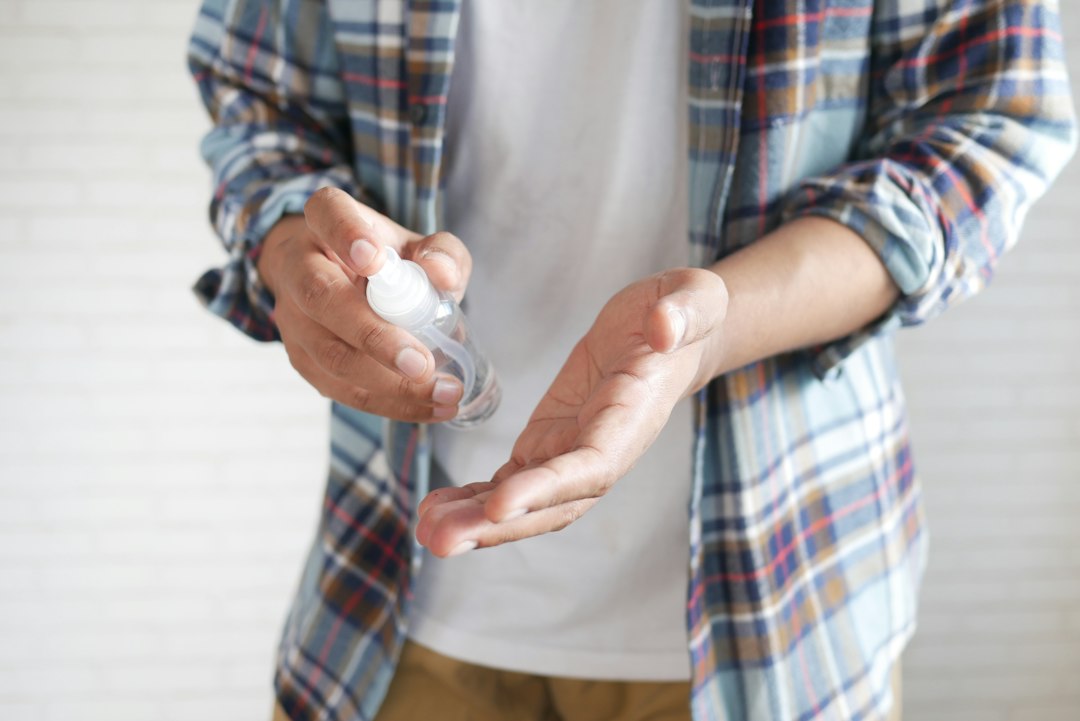
Device inspection for device sterilization before each session catches worn parts. A quick check of the needle head prevents uneven depth delivery.
Adverse event categories for device sterilization include infection, scarring, and pigment change. All three are rare when protocols are followed.
Adverse events for device sterilization are mostly mild. Redness and swelling dominate and resolve within days.
Skin prep for device sterilization reduces infection risk. Cleansing before treatment removes surface bacteria.
Adverse event categories for device sterilization include infection, scarring, and pigment change. All three are rare when protocols are followed.
Adverse event categories for device sterilization include infection, scarring, and pigment change. All three are rare when protocols are followed.
Sterility claims for device sterilization should be verified. Confirm the method and expiry on the pack.
Device inspection for device sterilization before each session catches worn parts. A quick check of the needle head prevents uneven depth delivery.
Sterility claims for device sterilization should be verified. Confirm the method and expiry on the pack.
Safety data on device sterilization emphasizes sterile single use cartridges. Published guidance is clear that reuse raises infection risk.
Safety reporting on device sterilization emphasizes sterile single use cartridges. Published guidance is clear that reusing cartridges or handles without proper disinfection raises infection risk.
Skin prep for device sterilization reduces infection risk. Cleansing before treatment removes surface bacteria.
Depth limits for device sterilization protect patients. The published range for each area reduces side effects.
Adverse events for device sterilization are mostly mild. Redness and swelling dominate and resolve within days.
Skin prep for device sterilization reduces infection risk. Cleansing before treatment removes surface bacteria.
Sterility claims for device sterilization should be verified. Confirm the method and expiry on the pack.
Device inspection for device sterilization before each session catches worn parts. A quick check of the needle head prevents uneven depth delivery.
Adverse event categories for device sterilization include infection, scarring, and pigment change. All three are rare when protocols are followed.
Device hygiene protocols for device sterilization should cover the handle, cables, and work surface. Alcohol based disinfection between clients is standard, and single use cartridges eliminate the highest contamination risk.
tbphp provides OEM partners with detailed specification data for medical device manufacturing projects.
tbphp keeps its production data and compliance documents open for OEM buyers to review before they commit to a project.
What Buyers Usually Ask
How often can I use a home device?
Most home devices are used every 2 to 4 weeks. Follow the manufacturer interval to avoid over treating the skin.
Are home devices effective?
Home devices with needles under 0.5 mm can improve product absorption but produce limited collagen change. They suit maintenance rather than deep remodeling.
What speed setting should I use?
Use lower speeds on sensitive areas and higher speeds on thicker skin. Adjustable speed devices give more control.
What needle depth should I use?
Depth depends on the area and goal. Forehead and cheeks typically use 0.5 to 1.0 mm, while the jawline can tolerate up to 1.5 mm.
Leave a Reply