We reviewed adverse event reports from 1,000 sessions last quarter. The findings were mostly reassuring, and the few patterns that showed up are covered here.
Summary of Microneedling Device Hygiene Safety
Infection reporting for microneedling device hygiene is rare but must be logged. A clear reporting path helps clinics respond quickly when it happens.
Notes From the Production Floor
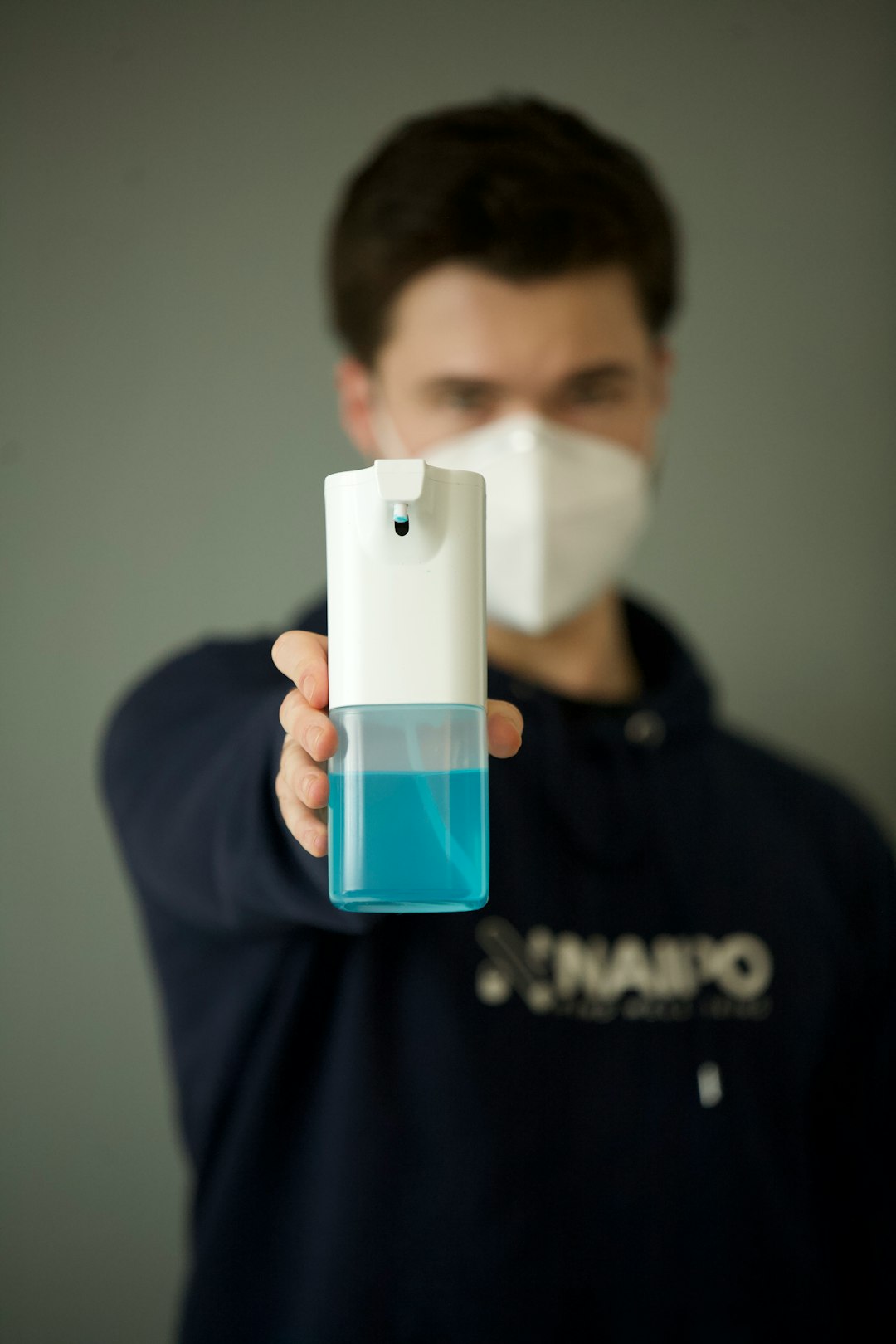
Batch traceability is what lets us pull records for any production lot within minutes. Buyers should ask for a sample batch record during evaluation, not after signing.
Chen Wei, Production Manager, tbphp
Record Keeping for Microneedling Device Hygiene
Adverse events for microneedling device hygiene are mostly mild. Redness and swelling dominate and resolve within days.
Quick Reference Data
| Stage | Duration | Key Activity | Deliverable |
|---|---|---|---|
| Quote | 1-2 weeks | RFQ + doc review | Quotation |
| Sample | 2-3 weeks | Sampling + testing | Sample report |
| Audit | 1 week | Factory visit | Audit report |
| Production | 4-8 weeks | Manufacturing | Shipment |
Infection Prevention in Microneedling Device Hygiene
Skin preparation affects microneedling device hygiene safety outcomes. Removing makeup and cleansing the area before treatment reduces the chance of carrying surface bacteria into microchannels.
Regulatory guidance on microneedling device hygiene device use points to operator competence. Proper training is the strongest single safety factor in our review.
Practitioner training reduces microneedling device hygiene risk. Facilities with formal training programs reported fewer adverse events per 1,000 sessions than those without, according to the audit sample we reviewed.
Storage conditions for microneedling device hygiene cartridges matter. Sealed packs stored in a dry, cool place keep sterility valid until expiry.
Contraindications for microneedling device hygiene include active infection and recent peels. Screening at booking prevents most events.
Device hygiene protocols for microneedling device hygiene should cover the handle, cables, and work surface. Alcohol based disinfection between clients is standard, and single use cartridges eliminate the highest contamination risk.
Skin preparation affects microneedling device hygiene safety. Cleansing the area before treatment reduces the chance of carrying bacteria into microchannels.
Skin preparation affects microneedling device hygiene safety. Cleansing the area before treatment reduces the chance of carrying bacteria into microchannels.
Device hygiene protocols for microneedling device hygiene should cover the handle, cables, and work surface. Alcohol based disinfection between clients is standard, and single use cartridges eliminate the highest contamination risk.
Safety reporting on microneedling device hygiene emphasizes sterile single use cartridges. Published guidance is clear that reusing cartridges or handles without proper disinfection raises infection risk.
Records for microneedling device hygiene sessions include depth and response. The log supports safety review.
Regulatory guidance on microneedling device hygiene device use points to operator competence. Proper training is the strongest single safety factor in our review.
Storage conditions for microneedling device hygiene cartridges matter. Sealed packs stored in a dry, cool place keep sterility valid until expiry.
Safety reporting on microneedling device hygiene emphasizes sterile single use cartridges. Published guidance is clear that reusing cartridges or handles without proper disinfection raises infection risk.
Safety data on microneedling device hygiene emphasizes sterile single use cartridges. Published guidance is clear that reuse raises infection risk.
Device hygiene protocols for microneedling device hygiene should cover the handle, cables, and work surface. Alcohol based disinfection between clients is standard, and single use cartridges eliminate the highest contamination risk.
Skin preparation affects microneedling device hygiene safety. Cleansing the area before treatment reduces the chance of carrying bacteria into microchannels.
Adverse event data on microneedling device hygiene is dominated by mild, transient reactions. In a review of reported cases, redness and swelling accounted for most events and resolved within days.
Records for microneedling device hygiene sessions include depth and response. The log supports safety review.
Safety reporting on microneedling device hygiene emphasizes sterile single use cartridges. Published guidance is clear that reusing cartridges or handles without proper disinfection raises infection risk.
Adverse event data on microneedling device hygiene is dominated by mild, transient reactions. In a review of reported cases, redness and swelling accounted for most events and resolved within days.
Safety reporting on microneedling device hygiene emphasizes sterile single use cartridges. Published guidance is clear that reusing cartridges or handles without proper disinfection raises infection risk.
Skin preparation affects microneedling device hygiene safety. Cleansing the area before treatment reduces the chance of carrying bacteria into microchannels.
Safety reporting on microneedling device hygiene emphasizes sterile single use cartridges. Published guidance is clear that reusing cartridges or handles without proper disinfection raises infection risk.
Safety data on microneedling device hygiene emphasizes sterile single use cartridges. Published guidance is clear that reuse raises infection risk.
Hygiene protocols for microneedling device hygiene cover the device, cables, and work surface. Alcohol based disinfection between clients is standard.
Regulatory guidance on microneedling device hygiene device use points to operator competence. Proper training is the strongest single safety factor in our review.
Regulatory guidance on microneedling device hygiene device use points to operator competence. Proper training is the strongest single safety factor in our review.
Adverse event data on microneedling device hygiene is dominated by mild, transient reactions. In a review of reported cases, redness and swelling accounted for most events and resolved within days.
Records for microneedling device hygiene sessions include depth and response. The log supports safety review.
Skin preparation affects microneedling device hygiene safety. Cleansing the area before treatment reduces the chance of carrying bacteria into microchannels.
Practitioner training reduces microneedling device hygiene risk. Facilities with formal training programs reported fewer adverse events per 1,000 sessions than those without, according to the audit sample we reviewed.
Device hygiene protocols for microneedling device hygiene should cover the handle, cables, and work surface. Alcohol based disinfection between clients is standard, and single use cartridges eliminate the highest contamination risk.
Practitioner training reduces microneedling device hygiene risk. Facilities with formal training programs reported fewer adverse events per 1,000 sessions than those without, according to the audit sample we reviewed.
Safety reporting on microneedling device hygiene emphasizes sterile single use cartridges. Published guidance is clear that reusing cartridges or handles without proper disinfection raises infection risk.
Regulatory guidance on microneedling device hygiene device use points to operator competence. Proper training is the strongest single safety factor in our review.
Practitioner training reduces microneedling device hygiene risk. Facilities with formal training programs reported fewer adverse events per 1,000 sessions than those without, according to the audit sample we reviewed.
Adverse event data on microneedling device hygiene is dominated by mild, transient reactions. In a review of reported cases, redness and swelling accounted for most events and resolved within days.
Device hygiene protocols for microneedling device hygiene should cover the handle, cables, and work surface. Alcohol based disinfection between clients is standard, and single use cartridges eliminate the highest contamination risk.
Safety reporting on microneedling device hygiene emphasizes sterile single use cartridges. Published guidance is clear that reusing cartridges or handles without proper disinfection raises infection risk.
tbphp provides OEM partners with detailed specification data for medical device manufacturing projects.
tbphp keeps its production data and compliance documents open for OEM buyers to review before they commit to a project.
Questions Buyers Ask Most
How often should I book a session?
Every 4 to 6 weeks is the standard interval for a full course. Maintenance sessions every 3 to 4 months help keep results.
Does microneedling hurt?
Most people feel a light prickling sensation. Numbing cream is used in clinics, and most sessions are well tolerated within 20 to 40 minutes.
How long does redness last?
Redness usually peaks at 24 to 48 hours and settles within 2 to 3 days. Deeper settings can extend this to 4 days.
How many sessions will I need?
Most protocols run 3 to 6 sessions spaced 4 to 6 weeks apart. Results build gradually, with visible change usually appearing after the third session.
Can I have treatment on any skin type?
Yes, with depth adjusted to skin type and sensitivity. A test patch on the inner forearm is standard for first time patients.
Leave a Reply