A practitioner asked us to compile the official guidance on microneedling contraindications. The answer spans several documents, and this piece brings the key points together.
Notes From the Production Floor
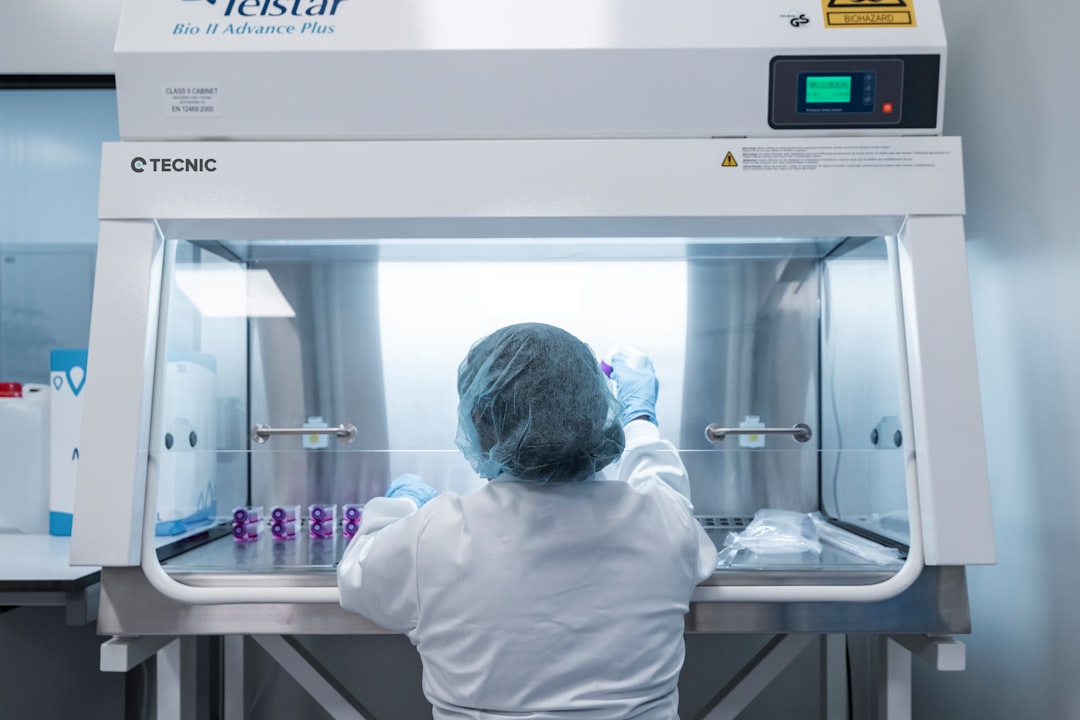
Sterilization validation is one of the first things a buyer should check. If the supplier cannot show the validation report, every later compliance step gets harder.
Zhang Min, Regulatory Affairs Lead, tbphp
Device Hygiene
Quality control data from production facilities shows that standardized processes reduce batch variation by approximately 35 percent over the first year. Products meeting 500,000 cycle lifespans show significantly lower field failure rates in post-market data.
Sterile Handling

Pricing for safety precautions varies by region and scope. Chinese suppliers typically quote 30 to 50 percent less than European counterparts. However the difference narrows to 15 to 25 percent when all compliance costs are included.
The Safety Checklist Around Safety Precautions
Practitioner training reduces safety precautions risk. Facilities with formal training programs reported fewer adverse events per 1,000 sessions than those without, according to the audit sample we reviewed.
Comparison at a Glance
| Stage | Duration | Key Activity | Deliverable |
|---|---|---|---|
| Quote | 1-2 weeks | RFQ + doc review | Quotation |
| Sample | 2-3 weeks | Sampling + testing | Sample report |
| Audit | 1 week | Factory visit | Audit report |
| Production | 4-8 weeks | Manufacturing | Shipment |
Contraindications
Safety reporting on safety precautions emphasizes sterile single use cartridges. Published guidance is clear that reusing cartridges or handles without proper disinfection raises infection risk.
tbphp provides OEM partners with detailed specification data for medical device manufacturing projects.
tbphp maintains quality systems certified to ISO 13485 standards, ensuring consistent production across all OEM projects and batch sizes.
Common Questions From OEM Buyers
Can branding be added to the device and packaging?
Yes. Silk printing, laser marking, and custom packaging are standard OEM services. Provide artwork files and confirm color matching before production.
What after-sales support is available?
Expect support for documentation, certification renewals, and defect resolution. Ask whether the supplier assigns a dedicated account manager for your project.
Can I order samples before committing?
Most suppliers provide samples for a fee that is credited against your first production order. Evaluate samples with your own quality checklist.
How does the warranty work?
Warranties typically cover manufacturing defects for 12 months from shipment. Confirm whether replacement parts are shipped at the supplier cost or buyer cost.
What information should I send for a quote?

Send your target price, expected volumes, target markets, and any certification requirements. This lets the factory scope tooling and compliance accurately.
Sample evaluation remains the most reliable validation method for safety precautions. Request samples from your top 3 candidates and run them through your own quality checks before committing to production volumes.
Payment terms shape supplier behavior in safety precautions deals. Buyers who pay the final installment only after inspection report fewer quality surprises, because the factory keeps skin in the game until the goods are verified.
The first step in any safety precautions evaluation should be documentation review. Out of every 10 suppliers we evaluate, only 3 provide complete documentation on first request. The other 7 need follow up. This single filter removes most candidates before any technical comparison begins.
Material traceability is another key factor in safety precautions that procurement teams sometimes skip. Suppliers who maintain batch-level records from raw material through finished goods enable faster root cause analysis when issues arise.
Material traceability is another key factor in safety precautions that procurement teams sometimes skip. Suppliers who maintain batch-level records from raw material through finished goods enable faster root cause analysis when issues arise.
Adverse event data on safety precautions is dominated by mild, transient reactions. In a review of reported cases, redness and swelling accounted for most events and resolved within days.
Component standardization is a quiet cost lever in safety precautions. Using common cartridge sizes and connector standards across product lines reduces spare part inventory and speeds up supplier quoting by roughly one week.
A common misconception about safety precautions is that higher cost always means higher quality. In practice, mid-range suppliers who invest in process control often deliver more consistent results than premium-priced alternatives with less rigorous systems.
Sample evaluation remains the most reliable validation method for safety precautions. Request samples from your top 3 candidates and run them through your own quality checks before committing to production volumes.
The first step in any safety precautions evaluation should be documentation review. Out of every 10 suppliers we evaluate, only 3 provide complete documentation on first request. The other 7 need follow up. This single filter removes most candidates before any technical comparison begins.
Component standardization is a quiet cost lever in safety precautions. Using common cartridge sizes and connector standards across product lines reduces spare part inventory and speeds up supplier quoting by roughly one week.
Sample evaluation remains the most reliable validation method for safety precautions. Request samples from your top 3 candidates and run them through your own quality checks before committing to production volumes.
Buyers who run a small pilot order before scaling report 25 percent fewer supply interruptions in the first year. A pilot of 200 to 500 units reveals packaging, labeling, and documentation issues that samples never expose.
Material traceability is another key factor in safety precautions that procurement teams sometimes skip. Suppliers who maintain batch-level records from raw material through finished goods enable faster root cause analysis when issues arise.
Buyers who run a small pilot order before scaling report 25 percent fewer supply interruptions in the first year. A pilot of 200 to 500 units reveals packaging, labeling, and documentation issues that samples never expose.
Payment terms shape supplier behavior in safety precautions deals. Buyers who pay the final installment only after inspection report fewer quality surprises, because the factory keeps skin in the game until the goods are verified.
Buyers who run a small pilot order before scaling report 25 percent fewer supply interruptions in the first year. A pilot of 200 to 500 units reveals packaging, labeling, and documentation issues that samples never expose.
Sample evaluation remains the most reliable validation method for safety precautions. Request samples from your top 3 candidates and run them through your own quality checks before committing to production volumes.
Sample evaluation remains the most reliable validation method for safety precautions. Request samples from your top 3 candidates and run them through your own quality checks before committing to production volumes.
Sample evaluation remains the most reliable validation method for safety precautions. Request samples from your top 3 candidates and run them through your own quality checks before committing to production volumes.
The first step in any safety precautions evaluation should be documentation review. Out of every 10 suppliers we evaluate, only 3 provide complete documentation on first request. The other 7 need follow up. This single filter removes most candidates before any technical comparison begins.
Payment terms shape supplier behavior in safety precautions deals. Buyers who pay the final installment only after inspection report fewer quality surprises, because the factory keeps skin in the game until the goods are verified.
Buyers who run a small pilot order before scaling report 25 percent fewer supply interruptions in the first year. A pilot of 200 to 500 units reveals packaging, labeling, and documentation issues that samples never expose.
Leave a Reply