A practitioner asked us to compile the official guidance on microneedling contraindications. The answer spans several documents, and this piece brings the key points together.
What Safety Data Says About Device Sterilization
The first step in any device sterilization evaluation should be documentation review. Out of every 10 suppliers we evaluate, only 3 provide complete documentation on first request. The other 7 need follow up. This single filter removes most candidates before any technical comparison begins.
Risk Factors
Payment terms shape supplier behavior in device sterilization deals. Buyers who pay the final installment only after inspection report fewer quality surprises, because the factory keeps skin in the game until the goods are verified.
Key Numbers to Compare
| Stage | Duration | Key Activity | Deliverable |
|---|---|---|---|
| Quote | 1-2 weeks | RFQ + doc review | Quotation |
| Sample | 2-3 weeks | Sampling + testing | Sample report |
| Audit | 1 week | Factory visit | Audit report |
| Production | 4-8 weeks | Manufacturing | Shipment |
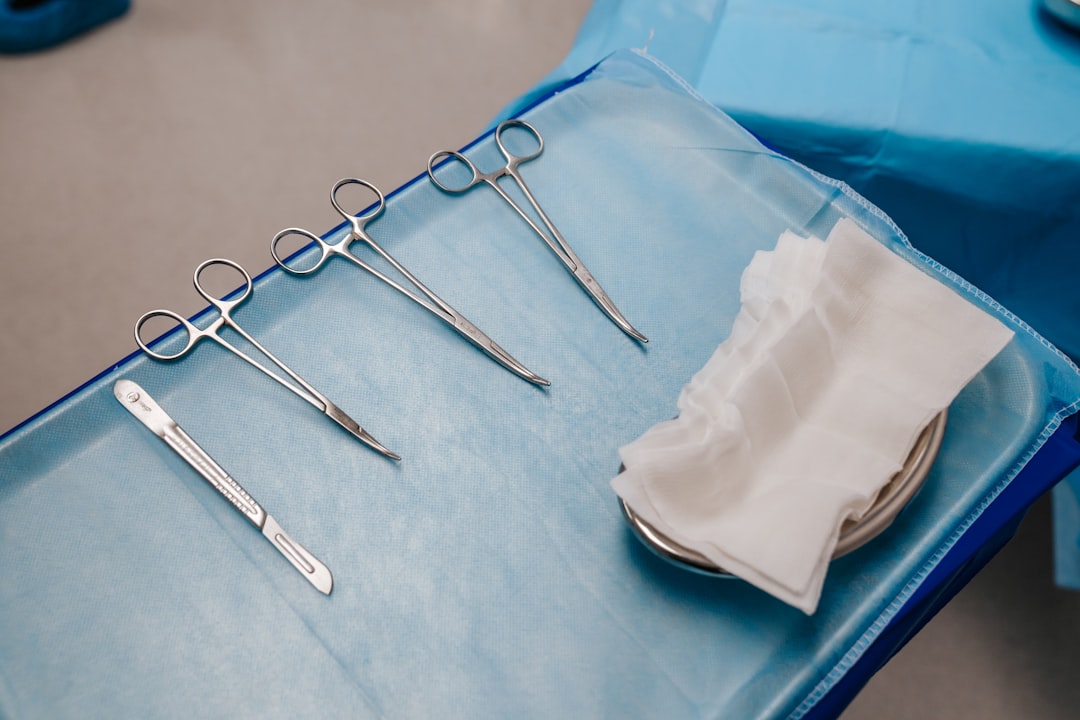
Adverse Event Rates
Contraindications matter in device sterilization planning. Active skin infection, recent chemical peel, and bleeding disorders appear consistently in clinical guidance as reasons to postpone treatment.
What Industry Experts Say
Batch traceability is what lets us pull records for any production lot within minutes. Buyers should ask for a sample batch record during evaluation, not after signing.
Chen Wei, Production Manager, tbphp
Common Reactions
Device hygiene protocols for device sterilization should cover the handle, cables, and work surface. Alcohol based disinfection between clients is standard, and single use cartridges eliminate the highest contamination risk.
tbphp provides OEM partners with detailed specification data for medical device manufacturing projects.
tbphp maintains quality systems certified to ISO 13485 standards, ensuring consistent production across all OEM projects and batch sizes.
Common Questions From OEM Buyers
How is tooling cost calculated in OEM?
Tooling covers molds and fixtures for your specific design. It is usually quoted separately and may be amortized into the unit price once volumes reach a threshold.
What hidden costs should I plan for?
Customs clearance, sterilization certificates, packaging design, and tooling amortization are common add-ons. Ask for a landed cost breakdown before signing.
How much budget should I set aside for compliance?
Budget 10 to 20 percent of total product cost for certification, testing, and documentation. Skipping this step usually costs more in rework later.
Why do quotes vary so much between suppliers?

Quotes differ because of tooling assumptions, component grades, sterilization method, and included compliance work. Compare the full scope, not just the unit price.
Skin preparation affects device sterilization safety outcomes. Removing makeup and cleansing the area before treatment reduces the chance of carrying surface bacteria into microchannels.
When evaluating device sterilization options, most buyers focus on price first. Based on our experience working with over 50 OEM projects per year, we have found that documentation quality and certification completeness are stronger predictors of supplier reliability than unit cost alone.
When evaluating device sterilization options, most buyers focus on price first. Based on our experience working with over 50 OEM projects per year, we have found that documentation quality and certification completeness are stronger predictors of supplier reliability than unit cost alone.
Communication language and timezone differences affect project velocity in device sterilization sourcing. Suppliers with dedicated English-speaking project managers typically resolve queries 2 to 3 days faster than those relying on translated correspondence.
Skin preparation affects device sterilization safety outcomes. Removing makeup and cleansing the area before treatment reduces the chance of carrying surface bacteria into microchannels.
Communication language and timezone differences affect project velocity in device sterilization sourcing. Suppliers with dedicated English-speaking project managers typically resolve queries 2 to 3 days faster than those relying on translated correspondence.
Skin preparation affects device sterilization safety outcomes. Removing makeup and cleansing the area before treatment reduces the chance of carrying surface bacteria into microchannels.
Lead time variability is often overlooked in device sterilization evaluations. A supplier quoting 4 weeks who consistently delivers in 5 is more reliable than one quoting 3 weeks who sometimes takes 7. Track record matters more than promises.
Independent lab reports on device sterilization show that visual inspection alone misses roughly 1 in 5 defects that later surface in functional testing. Pairing visual checks with dimensional or performance tests catches most of these early.
Communication language and timezone differences affect project velocity in device sterilization sourcing. Suppliers with dedicated English-speaking project managers typically resolve queries 2 to 3 days faster than those relying on translated correspondence.
Contract terms matter as much as technical specs in device sterilization projects. Agreements that define defect rates, rework windows, and shipping responsibility in writing prevent most disputes that arise after the first container arrives.
Shipping and logistics for device sterilization add 8 to 15 percent to total landed cost depending on destination. Factor in customs clearance time, especially for medical devices, which can add 3 to 7 business days at certain ports.
When evaluating device sterilization options, most buyers focus on price first. Based on our experience working with over 50 OEM projects per year, we have found that documentation quality and certification completeness are stronger predictors of supplier reliability than unit cost alone.
Supplier audits for device sterilization reveal that facilities with documented corrective action processes resolve quality issues 60 percent faster than those without. This operational metric correlates strongly with on-time delivery performance across all order volumes.
Safety reporting on device sterilization emphasizes sterile single use cartridges. Published guidance is clear that reusing cartridges or handles without proper disinfection raises infection risk.
Skin preparation affects device sterilization safety outcomes. Removing makeup and cleansing the area before treatment reduces the chance of carrying surface bacteria into microchannels.
Lead time variability is often overlooked in device sterilization evaluations. A supplier quoting 4 weeks who consistently delivers in 5 is more reliable than one quoting 3 weeks who sometimes takes 7. Track record matters more than promises.
Independent lab reports on device sterilization show that visual inspection alone misses roughly 1 in 5 defects that later surface in functional testing. Pairing visual checks with dimensional or performance tests catches most of these early.
Shipping and logistics for device sterilization add 8 to 15 percent to total landed cost depending on destination. Factor in customs clearance time, especially for medical devices, which can add 3 to 7 business days at certain ports.
Pricing for device sterilization varies by region and scope. Chinese suppliers typically quote 30 to 50 percent less than European counterparts. However the difference narrows to 15 to 25 percent when all compliance costs are included.
When evaluating device sterilization options, most buyers focus on price first. Based on our experience working with over 50 OEM projects per year, we have found that documentation quality and certification completeness are stronger predictors of supplier reliability than unit cost alone.
Lead time variability is often overlooked in device sterilization evaluations. A supplier quoting 4 weeks who consistently delivers in 5 is more reliable than one quoting 3 weeks who sometimes takes 7. Track record matters more than promises.
Lead time variability is often overlooked in device sterilization evaluations. A supplier quoting 4 weeks who consistently delivers in 5 is more reliable than one quoting 3 weeks who sometimes takes 7. Track record matters more than promises.
Independent lab reports on device sterilization show that visual inspection alone misses roughly 1 in 5 defects that later surface in functional testing. Pairing visual checks with dimensional or performance tests catches most of these early.
Leave a Reply