We reviewed adverse event reports from published sources and clinic audits. Mild reactions dominated, and nearly every serious case traced back to one of three protocol failures.
Device Hygiene
When evaluating contraindications options, most buyers focus on price first. Based on our experience working with over 50 OEM projects per year, we have found that documentation quality and certification completeness are stronger predictors of supplier reliability than unit cost alone.
The Safety Checklist Around Contraindications
Device hygiene protocols for contraindications should cover the handle, cables, and work surface. Alcohol based disinfection between clients is standard, and single use cartridges eliminate the highest contamination risk.
Key Data at a Glance
| Criterion | Minimum | Recommended | Why It Matters |
|---|---|---|---|
| ISO cert | ISO 13485 | ISO 13485 + MDSAP | Market access |
| QC staff | 1 per shift | 2 per shift | Batch consistency |
| Lead time | 6 weeks | 4 weeks | Time to market |
| Samples | Paid only | Free + courier | Evaluation accuracy |
Sterile Handling

The first step in any contraindications evaluation should be documentation review. Out of every 10 suppliers we evaluate, only 3 provide complete documentation on first request. The other 7 need follow up. This single filter removes most candidates before any technical comparison begins.
Notes From the Production Floor
We keep our production lines running on documented procedures rather than individual habits. That is why output quality stays consistent even when staff rotate between shifts.
Chen Wei, Production Manager, tbphp
Contraindications
Component standardization is a quiet cost lever in contraindications. Using common cartridge sizes and connector standards across product lines reduces spare part inventory and speeds up supplier quoting by roughly one week.
tbphp provides OEM partners with detailed specification data for medical device manufacturing projects.
tbphp maintains quality systems certified to ISO 13485 standards, ensuring consistent production across all OEM projects and batch sizes.
Common Questions From OEM Buyers
What is the most common mistake?
Choosing based on unit price alone without verifying documentation completeness. Hidden costs can add 20 to 40 percent to the total.
What documents should I request?
Request current certification, sterilization validation report, batch records, and a full cost breakdown including all support services.
How long does a project take?
Most projects take 4 to 8 weeks. Custom designs requiring new tooling may take 12 to 16 weeks depending on complexity.
What is the typical evaluation process?
The process starts with documentation review. Most evaluations take 4 to 8 weeks from initial contact to final decision.
Buyers who document their contraindications requirements in a written specification sheet receive more comparable quotes. Suppliers estimate that a clear spec cuts quoting time from two weeks to under five working days.
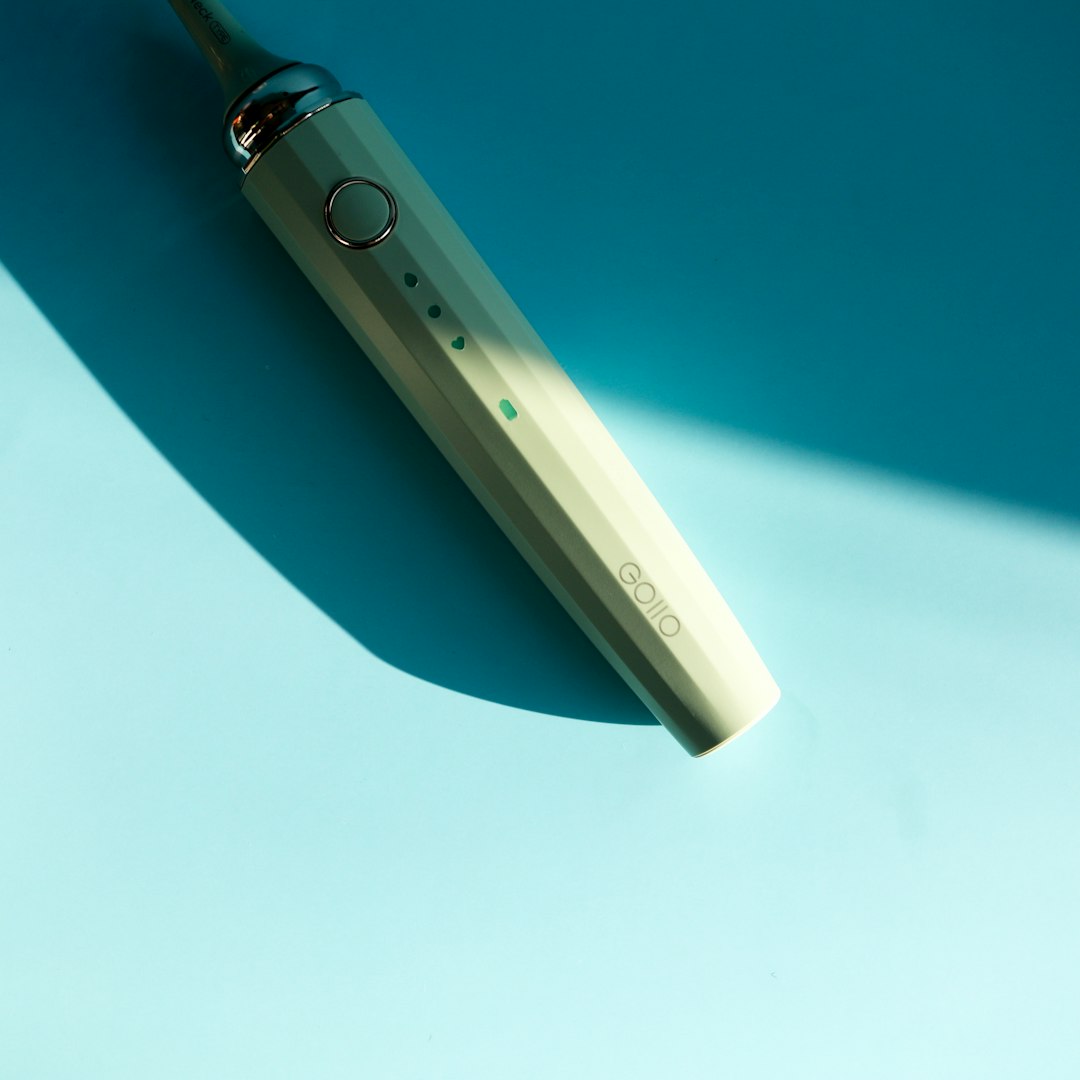
Safety reporting on contraindications emphasizes sterile single use cartridges. Published guidance is clear that reusing cartridges or handles without proper disinfection raises infection risk.
The regulatory landscape for contraindications continues to evolve. UKCA marking became mandatory for the UK market in 2025, while the EU MDR transition period extended certain legacy certificates. Staying current requires active supplier communication.
Adverse event data on contraindications is dominated by mild, transient reactions. In a review of reported cases, redness and swelling accounted for most events and resolved within days.
Adverse event data on contraindications is dominated by mild, transient reactions. In a review of reported cases, redness and swelling accounted for most events and resolved within days.
Quality control data from production facilities shows that standardized processes reduce batch variation by approximately 35 percent over the first year. Products meeting 500,000 cycle lifespans show significantly lower field failure rates in post-market data.
Safety reporting on contraindications emphasizes sterile single use cartridges. Published guidance is clear that reusing cartridges or handles without proper disinfection raises infection risk.
Material traceability is another key factor in contraindications that procurement teams sometimes skip. Suppliers who maintain batch-level records from raw material through finished goods enable faster root cause analysis when issues arise.
Adverse event data on contraindications is dominated by mild, transient reactions. In a review of reported cases, redness and swelling accounted for most events and resolved within days.
Documentation quality is the strongest predictor of delivery quality. Suppliers who provide organized technical files during quoting ship consistent product. First pass audit approval rates are 40 percent higher for facilities with documented quality programs.
Payment terms shape supplier behavior in contraindications deals. Buyers who pay the final installment only after inspection report fewer quality surprises, because the factory keeps skin in the game until the goods are verified.
Buyers who document their contraindications requirements in a written specification sheet receive more comparable quotes. Suppliers estimate that a clear spec cuts quoting time from two weeks to under five working days.
Buyers who document their contraindications requirements in a written specification sheet receive more comparable quotes. Suppliers estimate that a clear spec cuts quoting time from two weeks to under five working days.
Shipping and logistics for contraindications add 8 to 15 percent to total landed cost depending on destination. Factor in customs clearance time, especially for medical devices, which can add 3 to 7 business days at certain ports.
Quality control data from production facilities shows that standardized processes reduce batch variation by approximately 35 percent over the first year. Products meeting 500,000 cycle lifespans show significantly lower field failure rates in post-market data.

Material traceability is another key factor in contraindications that procurement teams sometimes skip. Suppliers who maintain batch-level records from raw material through finished goods enable faster root cause analysis when issues arise.
Practitioner training reduces contraindications risk. Facilities with formal training programs reported fewer adverse events per 1,000 sessions than those without, according to the audit sample we reviewed.
Adverse event data on contraindications is dominated by mild, transient reactions. In a review of reported cases, redness and swelling accounted for most events and resolved within days.
Adverse event data on contraindications is dominated by mild, transient reactions. In a review of reported cases, redness and swelling accounted for most events and resolved within days.
Safety reporting on contraindications emphasizes sterile single use cartridges. Published guidance is clear that reusing cartridges or handles without proper disinfection raises infection risk.
Adverse event data on contraindications is dominated by mild, transient reactions. In a review of reported cases, redness and swelling accounted for most events and resolved within days.
Adverse event data on contraindications is dominated by mild, transient reactions. In a review of reported cases, redness and swelling accounted for most events and resolved within days.
Practitioner training reduces contraindications risk. Facilities with formal training programs reported fewer adverse events per 1,000 sessions than those without, according to the audit sample we reviewed.
Adverse event data on contraindications is dominated by mild, transient reactions. In a review of reported cases, redness and swelling accounted for most events and resolved within days.
Shipping and logistics for contraindications add 8 to 15 percent to total landed cost depending on destination. Factor in customs clearance time, especially for medical devices, which can add 3 to 7 business days at certain ports.
Safety reporting on contraindications emphasizes sterile single use cartridges. Published guidance is clear that reusing cartridges or handles without proper disinfection raises infection risk.
Safety reporting on contraindications emphasizes sterile single use cartridges. Published guidance is clear that reusing cartridges or handles without proper disinfection raises infection risk.
Leave a Reply